Smart businesses know that social media is a power to be reckoned with: social media channels create a direct line of communication between your company and consumers and give anyone with an Internet connection instant access to the latest buzz around your products or services. Not to mention, they can help you to generate revenue, while building your brand presence.
Let that marinate for a second. This potential for a triple treat is no task to walk into empty handed or unprepared. Unless you want to turn your social media endeavors into a triple threat, you should develop a strategy, based on as much knowledge as possible about your audience and their behavior.
The 16 tools below will help you and your social media manager take on the complexity of the job.
Those who have Google Analytics installed on their website can use Visually’s
Google Analytics Report: an app that creates a custom infographic of your website’s activity and performance. This free report tells your website’s story for the week loud and clear. It highlights where your wins came from, giving you that push to make next week even better! You can opt to have these reports delivered straight to your inbox every week.
Pricing: Free
This free, easy-to-use Twitter management tool allows you to oversee all aspects of your Twitter account(s) in one interface.
TweetDeck gives each user the freedom to customize their display by showing or hiding various columns presenting everything from your home screen to search terms. Considering TweetDeck is specifically tailored for Twitter, it may not be the best tool for those looking to simultaneously manage various social networks in one place. Nevertheless, it gives great deal of control over the intricacies of your Twitter profile without the hassle of navigating across profiles.
Pricing: Free
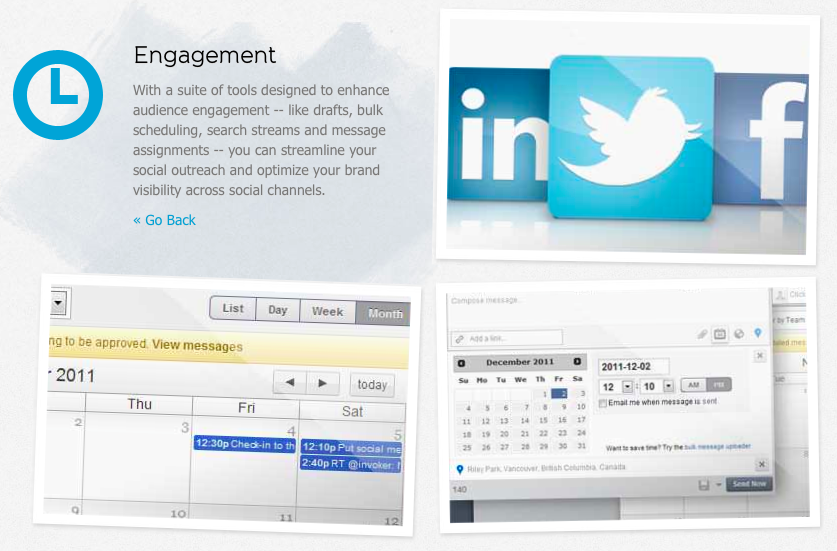
Hootsuite takes it a step further and allows you to manage multiple social streams like Twitter, Facebook, LinkedIn, Google+, Foursquare and many more in one place. Working across multiple networks with a social team can be difficult, and Hootsuite makes it possible for you and your team to delegate between responses to fans and followers, eliminating the stress of coordinating responses and potentially overlooking valued fans. While Hootsuite remains one of the most used social media management tools, though, it lacks a basic function: the ability to have images appear as image previews in the Twitter feed as opposed to collapsed links. Still, Hootsuite is a top contender in the space.
Pricing:
Free – Up to 5 social profiles, up to 2 RSS
$8.99/month – Up to 100 social profiles, up to 9 team members, advanced message scheduling and more
Enterprise (custom pricing) – Unlimited
Like Hootsuite,
Sprout Social is a social media dashboard that monitors and manages multiple social networks. It has a clean interface and user-friendly dashboard built around 6 tabs: Home, Messages, Feeds, Publishing, Discovery and Reports. Connecting your Facebook, Google+ (Pages only), LinkedIn, and Twitter accounts, Sprout Social suggests new people to follow or unfollow, and offers many ways to schedule updates in advance. Although Sprout Social still has much to improve on, like offering a wider range of social networks, it is paving the way towards fruitful social media managing.
Pricing:
$39 per user/month – Manage up to 10 profiles, real-time brand monitoring, comprehensive reporting tools, and more
$59 per user/month – Manage up to 20 profiles, Helpdesk and Google Analytics integration, deluxe reporting and more
$99 per user/month – Manage up to 50 profiles, ViralPost time optimization, custom interface, and more
If your main focus is Twitter and Facebook, then this is the tool for you.
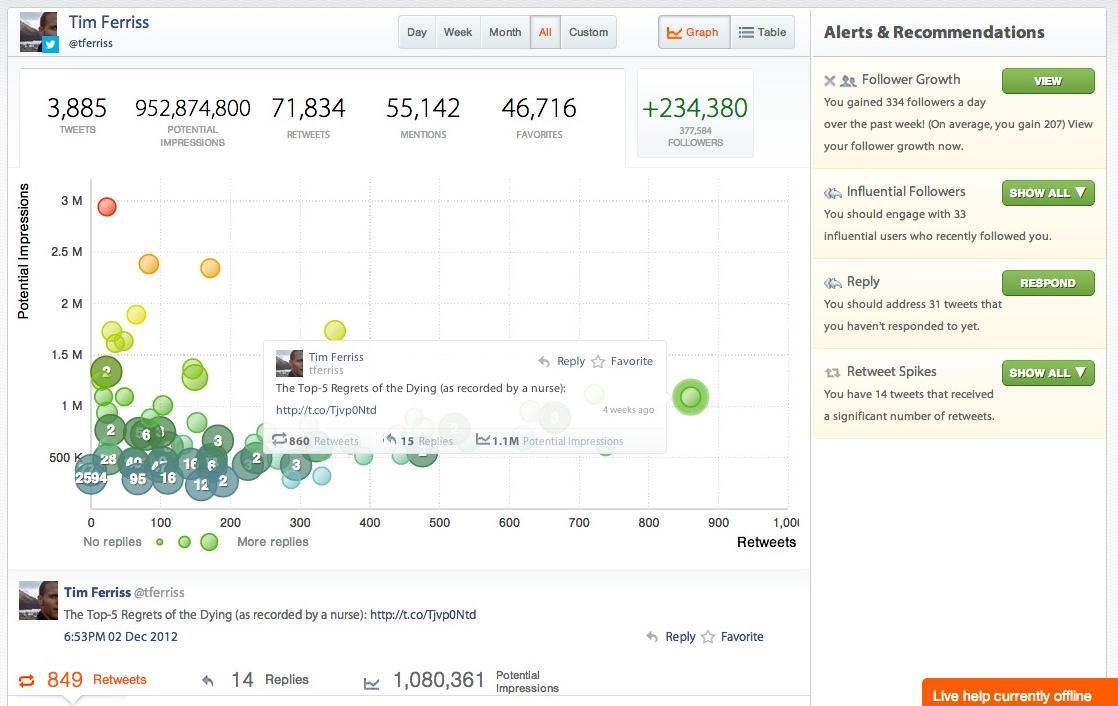
Crowdbooster helps streamline your social media activity so you pay attention to what matters. Aside from scheduling posts for both Twitter and Facebook, it allows you to easily keep track of new fans and followers by reminding you of followers you have not yet responded to and listing recently acquired influential followers. Although there seems to be a lag time between the syncing of Crowdbooster with Facebook and Twitter API data, it presents a dynamic tool that helps direct growth and engagement metrics.
Pricing:
$9/month – 1 Facebook page, 1 Twitter, 1 User and more
$49/month – 10 social media accounts, 8 users and more
$119/month – 30 social media accounts, 30 users and more
To complement your Twitter tools, in Visually’s app center you will also find
Twitter Showdown, which compares any two Twitter accounts head-to-head. The app is meant to be a light-hearted, fun way to see who rules the Twittersphere, but it can actually produce some insightful information on different Twitter accounts in your industry, or when comparing yourself to your competitors. Twitter Showdown gives you insight on follower-to-following ratio, level of tweet engagement, mentions per tweet, tweet timing and, overall, how two accounts compare.
Pricing: Free
Although Facebook pages comes equipped with Insights and provides significant data on Likes, Reach, People Talking About This, etc., sorting through the data and making sense of it can be a hassle. One must keep in mind the algorithm Facebook uses to determine what posts even make an appearance in newsfeeds.
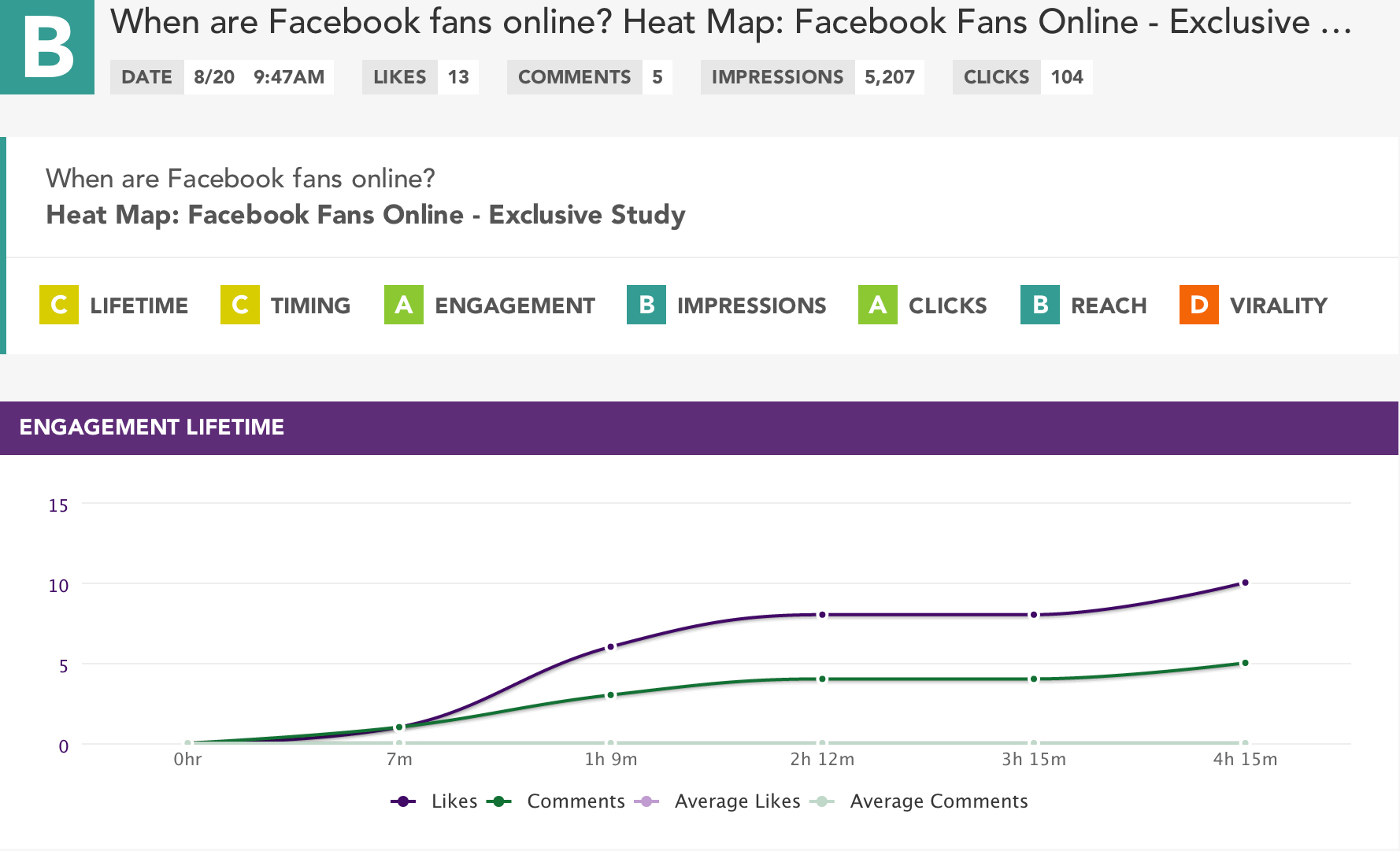
Edgerank Checker helps admins understand how their followers interact with each post by assigning it an Edgerank score and makes recommendations to assist with future posts. With this tool, admins can even monitor each post in real time.
Pricing:
Free – EdgeRank score, EdgeRank score over time graph
$15 per page/month – Real-time analysis, post grades, recommendations, negative feedback analyzer
If you’re already using great Facebook tools and have an understanding of your data, it’s time to take it to the next level. Visually has a great tool for admins to up their social game by visualizing the last 30 days of their
Facebook Insights. Facebook Insights is impressive because your page’s performance literally materializes before your eyes. You can also download and print this report and share it with the rest of your team.
Pricing: Free
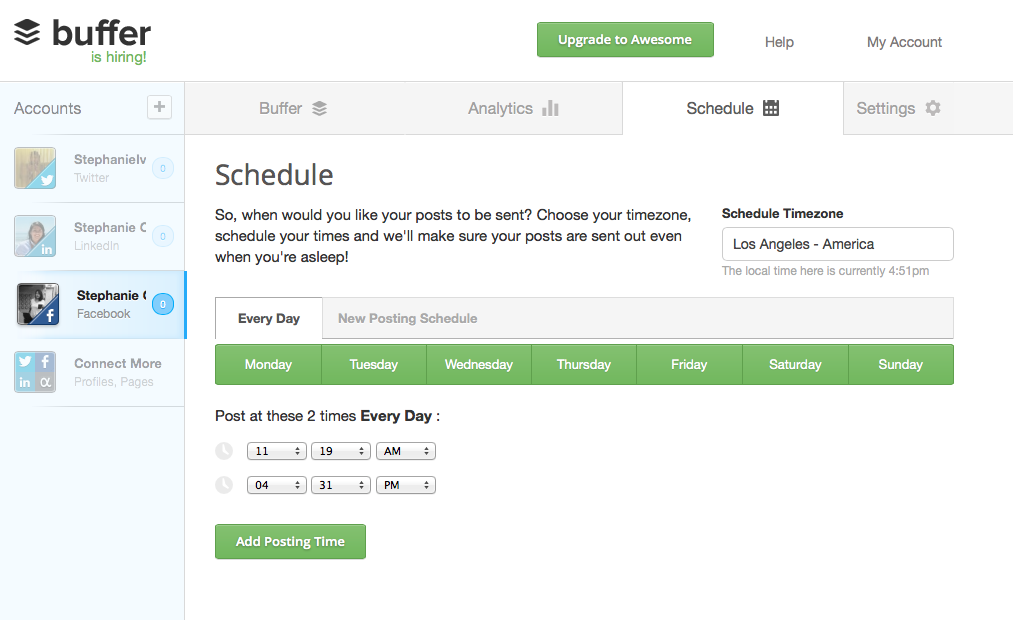
Buffer is a simple and effective tool for sharing content through Facebook, Twitter, LinkedIn and Google+. It’s particularly useful for small businesses that don’t have the time or resources to update their social media channels regularly, but would still like to maintain a social presence. With Buffer, you can schedule bulk posts ahead of time in a queue. It also offers a number of extensions through Chrome, Firefox and Safari that make sharing what you find on the web that much easier. On the downside, Buffer falls short when it comes to monitoring discussions.
Pricing:
Free service – allows for 2 profiles and 10 updates in the queue for each profile
$10/month – unlimited updates and up to 12 profiles
Specific to Twitter,
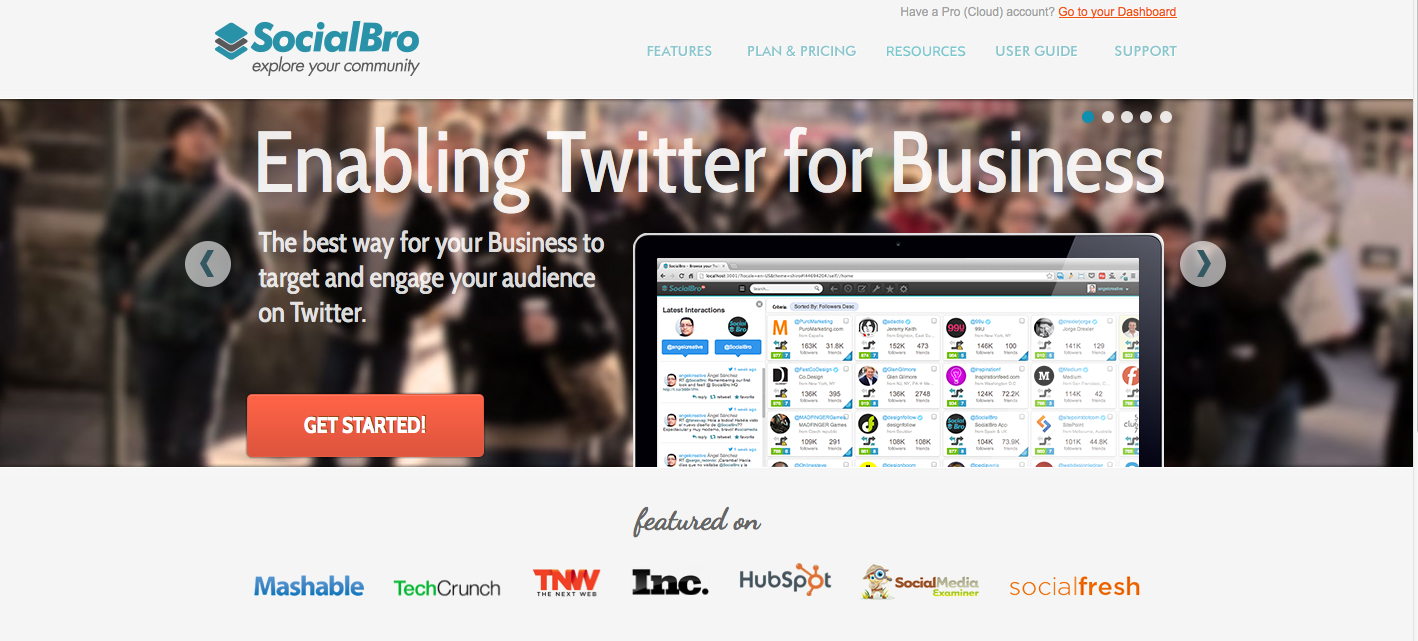
SocialBro provides insights to your analytics, suggestions for targeting and engagement, and also helps keep tabs on your key influencers and competitors. It works best when coupled with a scheduling tool like Buffer or Hootsuite, because it is geared less towards publishing content and more towards offering reports for marketers. With SocialBro’s integration of both Buffer and Hootsuite, you can import the optimized schedule to sync with your queue and use the results to adjust your engagement.
Pricing:
Free 15-day trial
$13.95/month – Up to 20,000 social contacts across 5 Twitter accounts and more
$39/month – Up to 50,000 social contacts across 15 Twitter accounts and more
$149/month – Up to 200,000 social contacts across 40 Twitter accounts and more
Enterprise – On demand
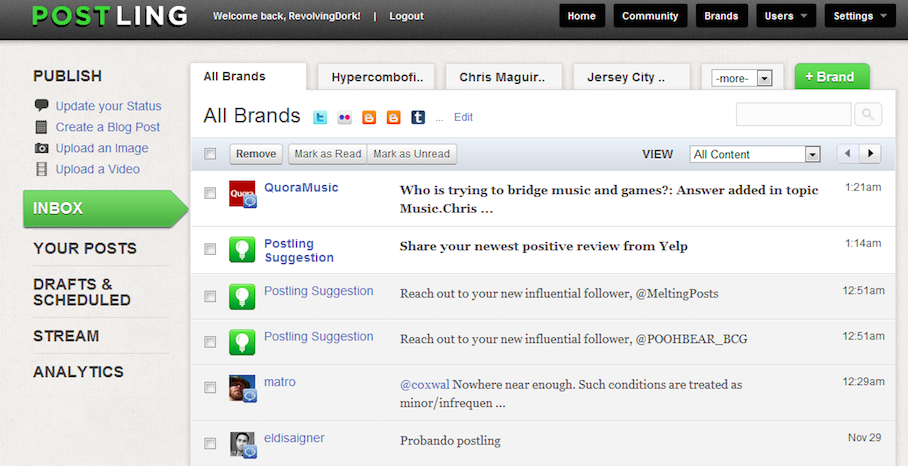
Postling is perfect for businesses looking to expand their reach across social networks. Keeping track of responses, brands and people, this tool sends a daily digest of your recent activity across Facebook, Twitter, LinkedIn, Blogs, Yelp, YouTube and Flickr. One cool feature is tracking news every time your business or brand is mentioned on the web. With a click, you’ll be able to share that tweet or review.
Pricing:
$1 first 30 days – unlimited usage
$10/month after 30 days – manage up to 5 social media accounts/ additional accounts cost $3/month each
Previously known as Pinreach,
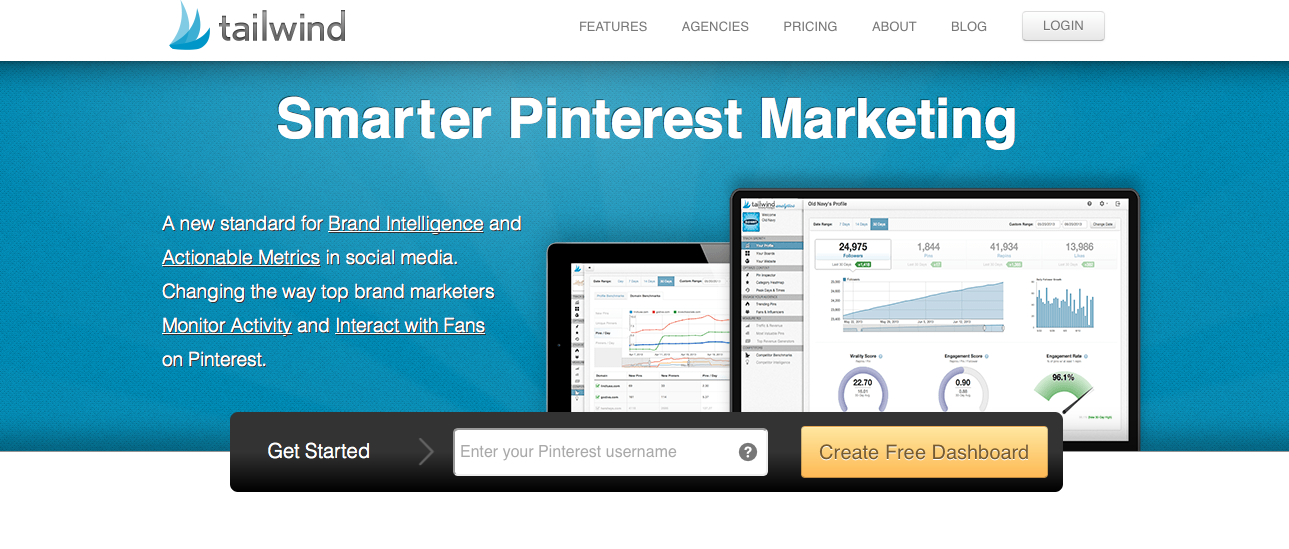
Tailwind tracks activity across Pinterest about your company, products and competitors. Pinterest is often overlooked when discussing tools for social media management, but depending on your business, it might be the driving force in traffic, branding and revenue. In addition to the general reporting of growth and engagement, you can connect Google Analytics to track conversions and see which activity is most profitable.
Pricing:
Free – Limited profile and domain trends
$29/month – 90-day history archive, track 2 competitors, invite 2 collaborators, basic audience IQ and more
$99/month – 1-year history archive, track 5 competitors, invite 5 collaborators, advanced audience IQ and more
Enterprise (custom pricing) – Unlimited history archive, track unlimited competitors and more
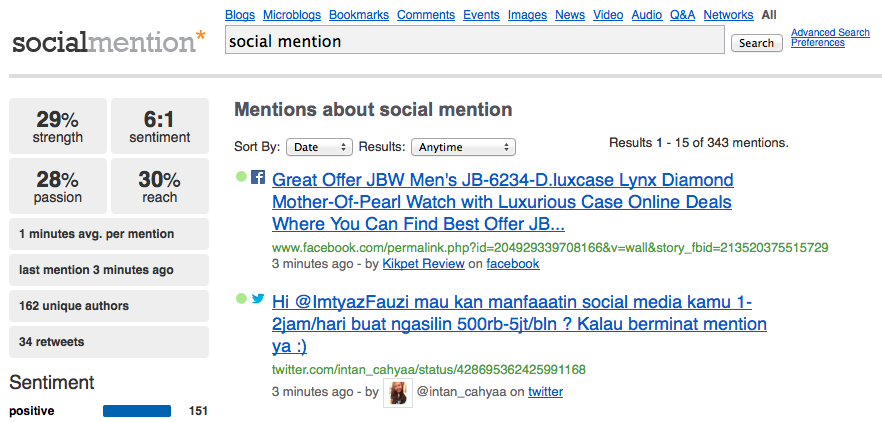
Social Mention is a real-time social media search and analysis tool that scrapes user generated content across the internet for any given company, product, or search term. In a single stream, this tool will give you the most recent relevant results, metrics on unique authors, reach, frequency of mentions, sentiment and top keywords. This tool should be on every social media manager’s shortlist.
Pricing: Free
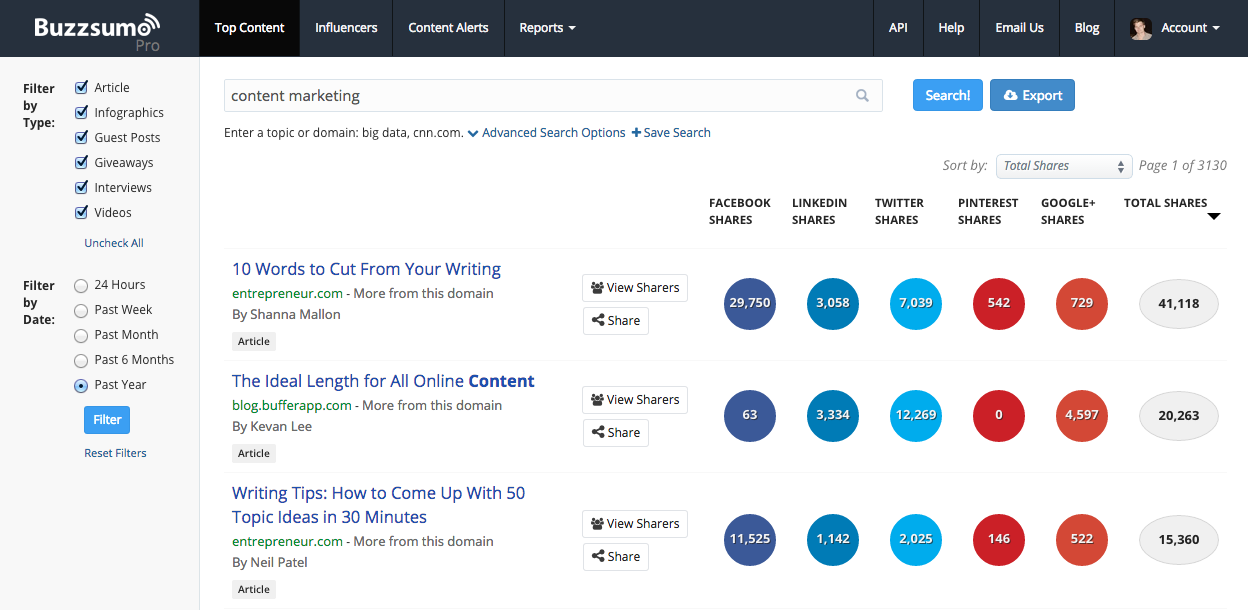
BuzzSumo is a tool that gives you social data on top performing content and influencers based on your search queries. By entering a topic, domain or specific keyword, your results will be nothing short of relevant. Filtering your search by time frame will show you the most shared content over time, which can give you insight to trends or help with generating ideas for your own content! With this tool, you can view who has shared a specific piece of content and create a list of influencers based on your interest. The pro plans allow you to closely monitor keywords, domains or authors by setting up alerts when new content is published. With great data readily available, this tool is one you’ll want to use frequently to stay on top of the latest buzz in your field.
Pricing:
Free
$99/month – Ideal for small teams and content campaigns
$299/month – Designed for Agency teams to support multiple SEO and content marketing campaigns
$499+/month – Bespoke plans for brands and large agencies
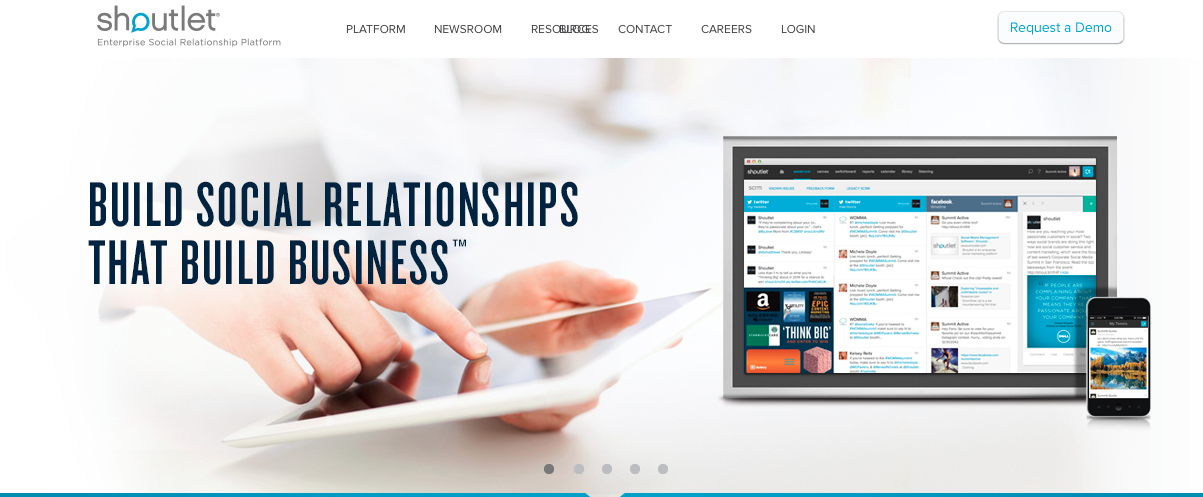
Shoutlet is enterprise-level social marketing software that aims to help companies understand their market, grow their social database and drive their business by creating a seamless platform that guides targeted campaigns through analytics. In addition to publishing and scheduling content, the streamlined community management platform makes it easy to create custom workflows to make sure the needs of all customers and fans are being addressed. The advance features in this social management tool are every marketer’s dream come true.
Pricing: Request a demo
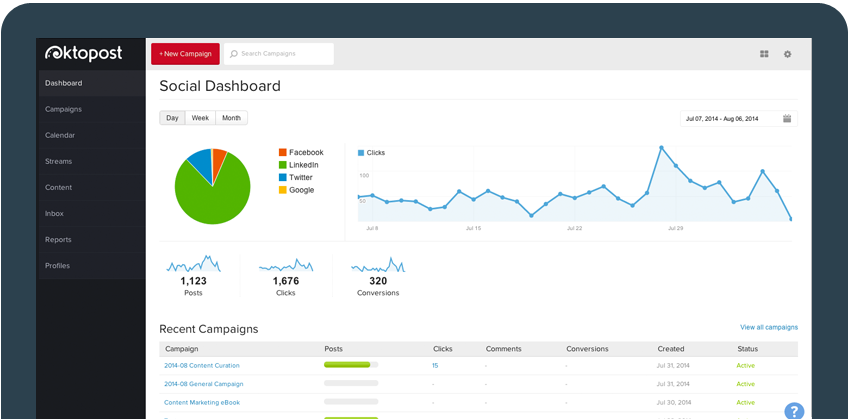
Oktopost focuses on building your brand’s online presence by delivering your content to targeted audiences. It helps you establish and manage your most valuable content, making sure your efforts add value to your marketing strategy. Used by B2B businesses, Oktopost places emphasis on tracking conversions and identifying which channels and messaging drive results. With the recent shutdown of Argyle Social, many of its B2B clients have flocked to Oktopost. Underscoring their focus on B2B engagement, Oktopost integrates with Marketo, Salesforce, Act-On and others, directly linking social media actions to the impact on sales. One thing that places Oktopost above other tools is its ability to monitor LinkedIn Groups as well as company pages. As a whole package, Oktopost qualifies and quantifies better leads for you and your business.
Pricing:
$9/month – Getting started with social marketing
$49/month – All the basics for social media marketing
$119/month – A comprehensive tool for social media marketers
$249/month – The definitive tool for social businesses


 Posts