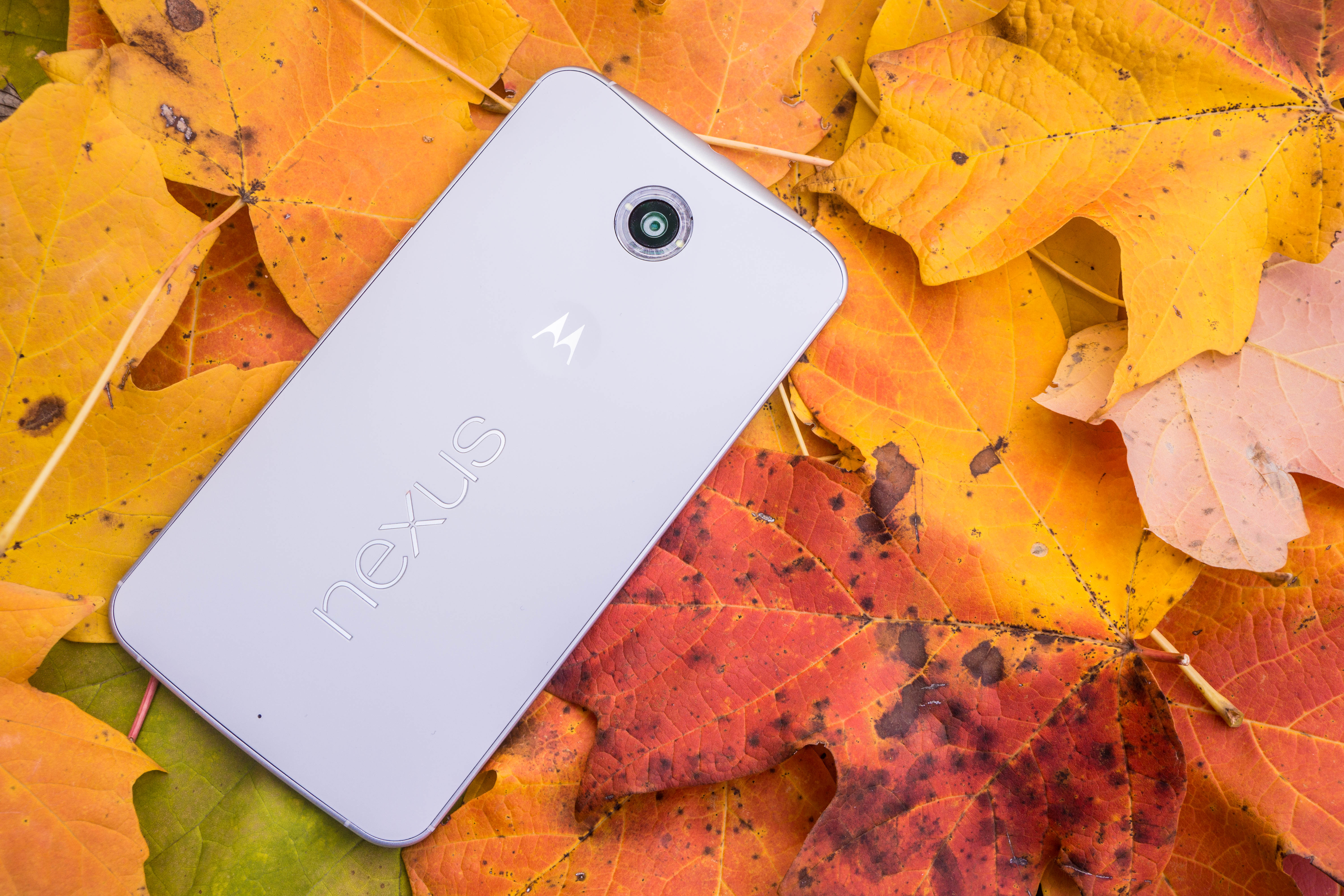
Thursday, November 13, 2014

NEXUS 6 A REAL HERO OF ALL TIMES

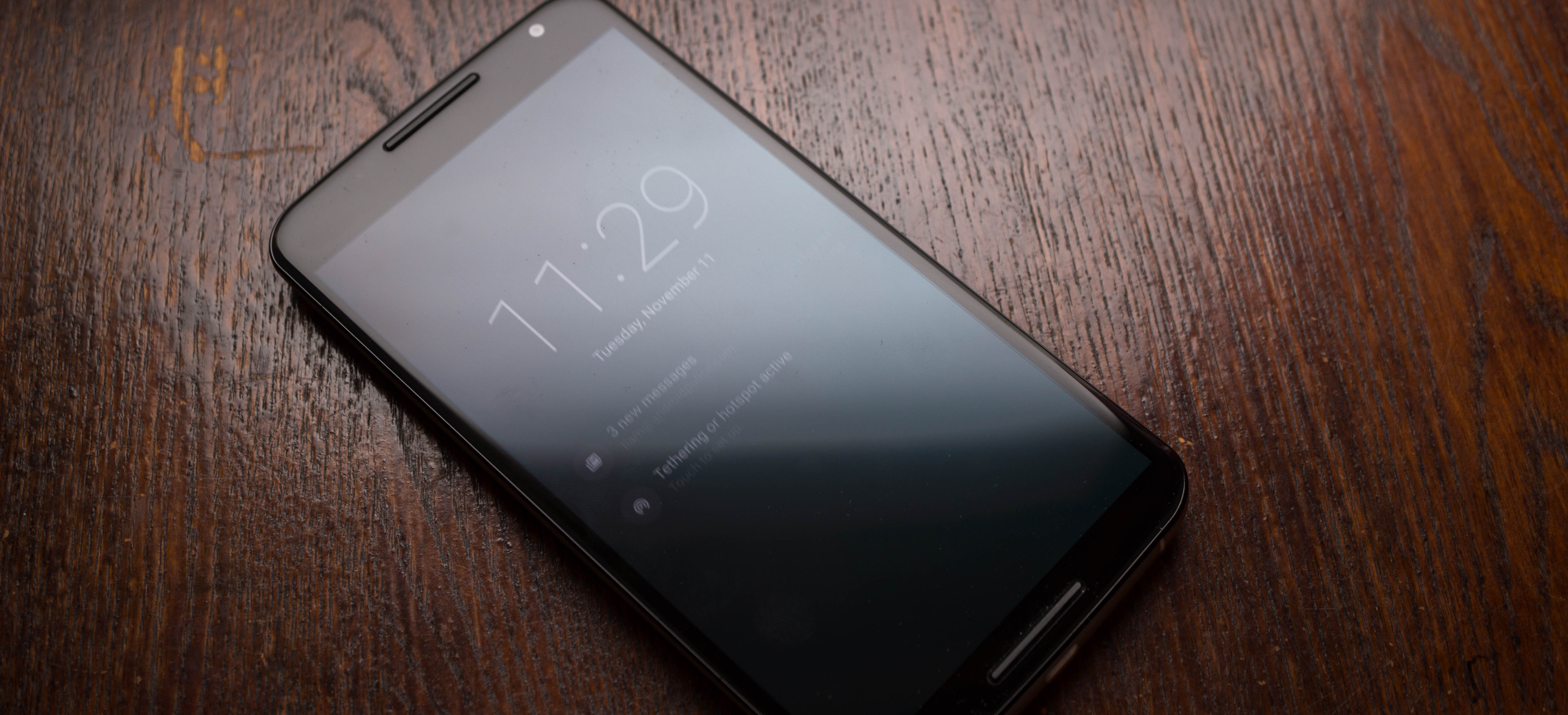
Reviewing a Nexus phone is always a daunting task. It’s one of the most important devices of the year for much of the Android community, and it represents - in theory - the very best of what Google has to offer on phones for the respective update period.

I’ll start by saying the Nexus 6 is a great phone, albeit huge. It’s also different from previous Nexus phones in a number of key ways, which I’ll try to cover as faithfully as possible in this review.

Besides just being a great phone, though, the Nexus 6 represents a shift for Google’s Nexus strategy. The device is priced like a regular phone, and competes more evenly with similarly priced phones. Gone are the qualifications of “it lacks X but that’s okay because it’s inexpensive.” Google has managed to create what I consider a top-level phone that carries a normal phone price, and will actually be available from all the major carriers in the US. That’s a big deal.

That out of the way, where do we begin? Let’s take a look at some of the general ups and downs, and then we’ll get into the deeper review.

Nexus 6 Specifications
Price: $649/$699 from Google PlaySoC: Qualcomm Snapdragon 805CPU: Quad-core 2.7GHz
GPU: Adreno 420
Display: 1440x2560 5.96",493ppi
Memory: 3GB RAM, 32/64GB Storage
Cameras: 13MP/2MP
Battery: 3220mAh
NFC: Yes
Ports/Expandable Storage: MicroUSB, 3.5mm / None
Thickness: 10.1mm
Weight: 184g

The Good
The Display: The Nexus 6’s QHD display is impressive, bright, and vibrant, despite its two main faults.The Speakers: Both of them produce sound! This sounds like a small victory but it’s actually great. Before HTC introduced BoomSound, I never realized how great it would be to have two front-facing speakers on a phone. The Nexus 6 has this (unlike the Moto X, which only fires out of one speaker), and it sounds good.Everyday Performance: Coming from the Nexus 5 and Moto X, I didn’t think much of this at first, but the Nexus 6 is smooth. It performs really well in everyday use without any noticeable stutters or hangs. This came into sharp focus after I got the Nexus 9, which itself suffers a lot of random performance drags. Lollipop gliding smoothly all day is really a great experience.Lollipop: I won't rehash everything we've learned about the OS in this review, but Lollipop is so much more than a facelift for Android, and running Lollipop on the Nexus 6 is great.

The Not So Good
Optimization: As I said before, performance is great, but there are a few areas where the software could stand tweaking to make it perfect. One of these areas is ambient display, which is sometimes too slow to activate.Video capture: The camera still wants to refocus itself in a noticeable way during capture, and digital zoom is choppy, but what you actually capture still makes a decent end product.Size (maybe): This is a plus for some people and a minus for others. I am neutral on the subject for the most part, but the size of the Nexus 6 does objectively preclude the “one-handed use” standard most have for smartphones.Removable battery and SD slot: This is another minus that will likely not apply to everyone reading. These are two features people love about other devices, but features we likely won't see in a Nexus device any time soon.

My overall opinion of the Nexus 6 so far is a positive one. It’s a well-built phone with great performance, a good display, above average speakers, a good camera, and a decent (though not mind-boggling) battery. I’m not sure that any major pillar is missing or severely lacking here (unless you count availability). All of that said, let’s get into the details.

Design and Hardware

As I said in my initial hands-on, the Nexus 6 is not built like a typical Nexus device. In fact, instead of going over every detail, it would be easier simply to say that the Nexus 6 is like a giant Moto X plus a Nexus logo and the old-style Moto dimple on the back. That’s it.

One theory behind this is that the Nexus 6 may have previously been the Moto S, Motorola’s rumored silver device that would have ostensibly been scrapped when the project’s lead left Google and the Nexus program was confirmed to still be alive.

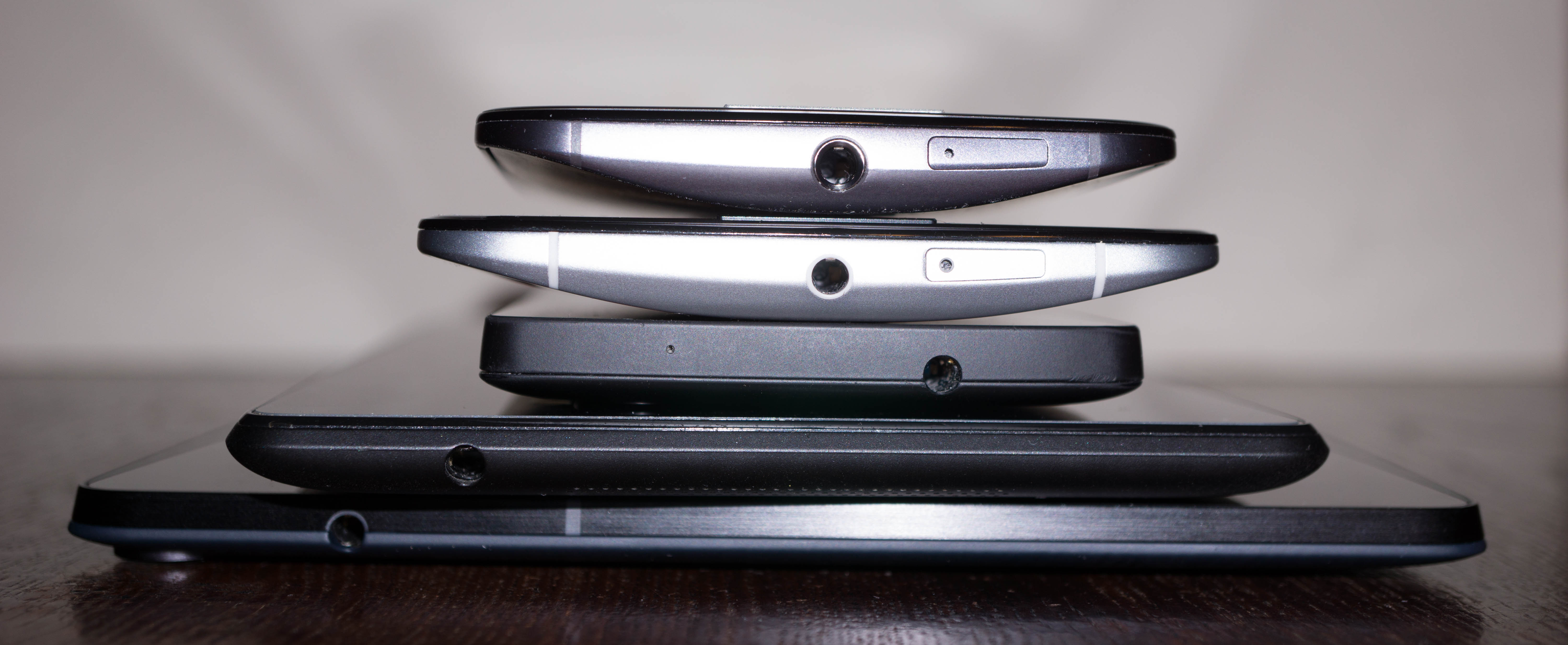
Whatever the case, it breaks with the Nexus design language we’ve seen since the original Nexus 7 - a flat back that curves at the edges, an inward-angled frame, and a flat top.

The N6 has a curved back that tapers at the edges, a curved display, and a straight metal frame.

Meanwhile the Nexus 9 picks up on the typical Nexus shape perfectly.

From the top: Moto X, Nexus 6, Nexus 5, Nexus 7 (2013), Nexus 9

Regardless of whether it looks like a Nexus, the N6 feels good to hold. Moto’s design language is excellent for phones. The curved back rests comfortably in my palm, and the rounded screen is great for side-navigation and other gestures.

The phone is big, though (as if you didn’t know). Its 5.96” display is massive, but its bezels are not. It seems Moto did its best to eliminate bulk here, but there’s no denying that the N6 is huge. It takes some adjustment to get used to.

The phone sticks out of my back pocket, and can rest comfortably (if snugly) in most of my front pockets. Adjusting to putting it in your pocket is actually a thing that will happen, if you’re coming from a smaller device. But it gets much easier after a few days of carrying the phone around.

Next to the Moto X 2014

Thankfully, the speaker grills on the front are flat (not textured) and black, rather than serrated and silver like on the Moto X. This helps them stay discreet, though they do still protrude over the surface of the screen which may or may not cause you anxiety.

Speaking of the screen, the Nexus 6 has a great display. Its 493ppi resolution shows an incredible amount of detail, even making obvious the difference in stroke-widths between lowercase L and uppercase I in sans serif fonts. As I said in the initial hands-on, there are green and magenta shifts at the edge of some graphics (likely due to the sub-pixel layout), but these aren't noticeable at normal viewing distance. Also, while the screen is a little warmer than the Nexus 5, it also benefits from the AMOLED panel's saturation - there's no shortage of color on the Nexus 6.

Battery Life

This, of course, is a big deal. Nexus phones of the past haven’t exactly been known for stellar battery life.

Before we dig in to the Nexus 6’s battery life, I want to qualify the battery portion of the review. Battery life is my least favorite part of the review because - no matter what - it won’t be truly accurate to every reader’s real-world use. Scientific screen-on tests may make a good benchmark, but they don’t reflect real world use, while telling readers about my real world use won’t reflect thereader's use patterns, signal strength, etc.

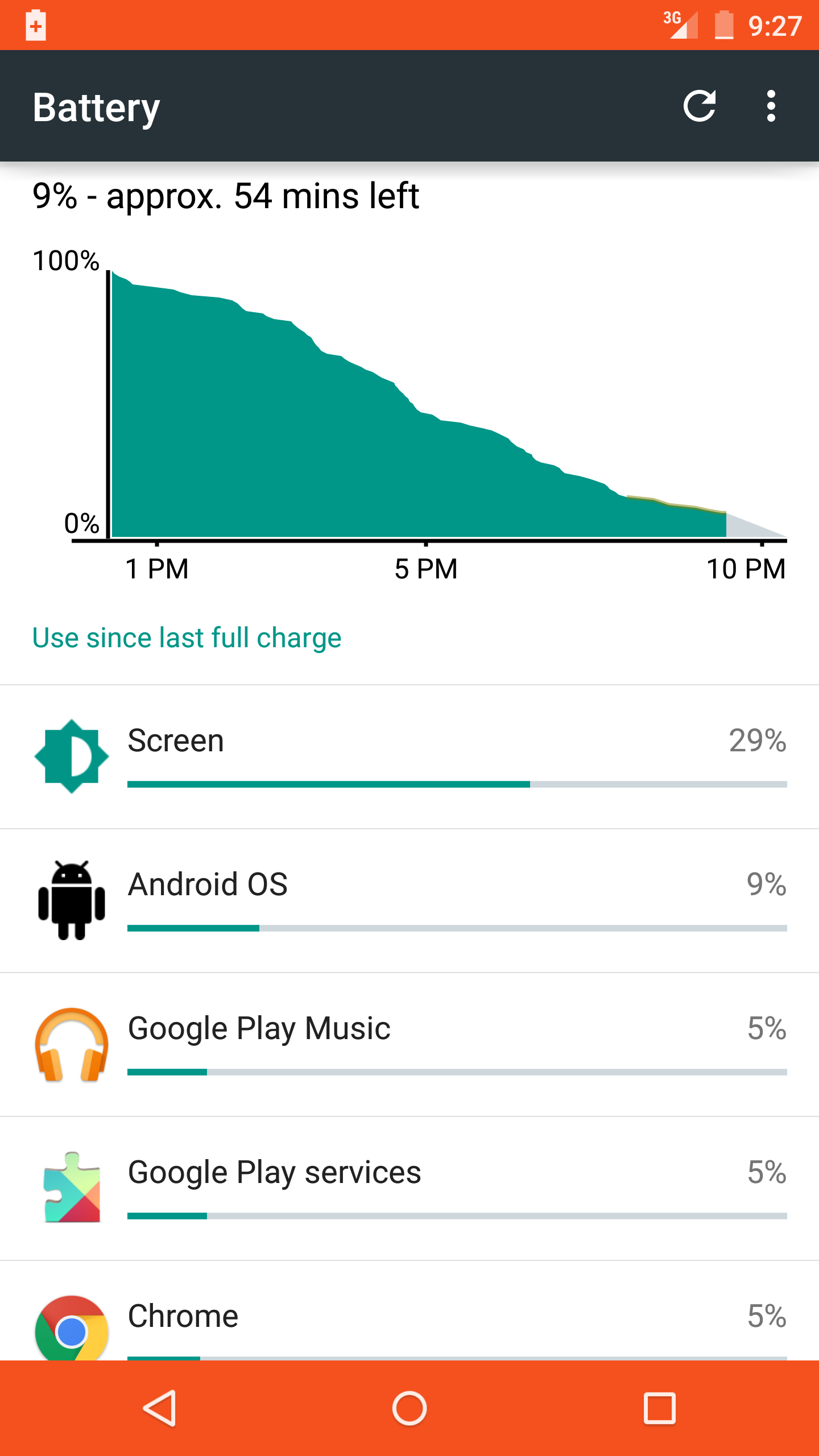
That said, I have found the Nexus 6 to have respectable battery life. Here’s a look at an average day with the N6. While using the Nexus 6, my brightness was almost always at maximum, and I was connected to mobile data exclusively.


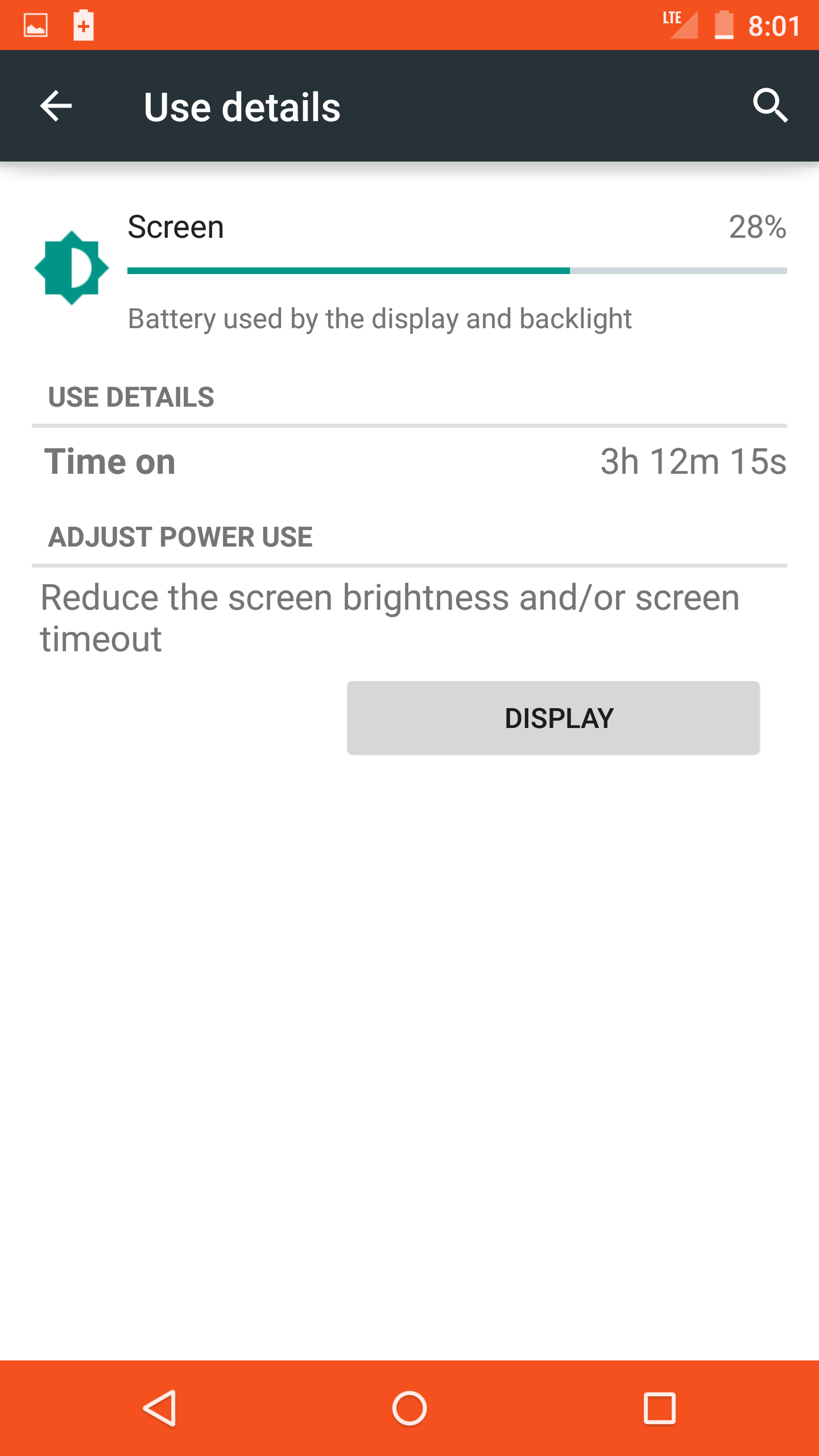
On a day with heavy navigation use, the battery did suffer considerably.


On the whole, the first set of shots is what I experienced most days, which comfortably got me through an entire day and evening. The phone definitely still needs to be charged every single day, but that’s what I expect until a breakthrough in battery tech actually materializes in production devices. One aspect of the battery that really impresses me is Lollipop's battery saver mode, which squeezes every last drop out of the battery, though the fact that it eliminates animations can make the overall user experience a little jerky.

Speaking of charging, the Nexus 6 has wireless charging (something sadly lacking on the Nexus 9). There are some magnets in the back so presumably it will stick to the square charging mat by Google, but I don’t personally own one so I can’t speak to its stability specifically.

The Nexus 6 comes with a turbo charger from Motorola, which is an amazing benefit. The charger is able to take the Nexus 6 battery from 7% to 100% in about half the time it took to charge using a regular adapter (just over an hour vs about 2 hours). The length of time the phone takes to charge either way will, of course, depend on what you're doing with the phone at the time. While testing it out, I left the phone basically untouched, except to check its progress.

Connection and Call Quality

I'll get through this part quickly and painlessly - WiFi performance on the N6 has been great in my experience, Bluetooth is exactly as I'd expect, and mobile data connection (despite a colorful indicator in my battery stats) has been serviceable on T-Mobile's network. As I sit at home writing this review, my signal strength is at -99 dBm, ranging up to -150dBm as I drive around town.

Call quality is also what I'd expect given the quality of the Nexus 6 speakers. The quality is clear and volume goes way past the level I'm comfortable with. Using the phone on speaker is a night-and-day difference from the Nexus 5's single, bottom-firing speaker.

Audio and Speaker

Speaking of speakers, the Nexus 6 has two that face forward. As I’ve already said a few times, I’m loving the audio on the Nexus 6. With previous phones, I’ve never actually listened to music from the speakers for any real length of time, but I have a few times since having the Nexus 6.

In the initial hands-on I noted that I am in no way, shape, or form an audio expert, so my experiences and statements on audio should be taken for what they’re worth. 

The speakers get as loud as I want them to (filling a medium-sized room without being too loud), and sound pretty good. As I said in the initial hands-on, they aren’t perfect - there’s still distortion at top volumes on certain tones, but they perform admirably.

Camera

This is another hot topic for Nexus users. And, as with the battery, I have some thoughts about how to properly gauge performance. I feel that camera performance can be best characterized in a review based on its average performance in a variety of categories - how sharp is the lens, how good is the sensor, how is the processing, how does the camera handle low light, and how are the videos?

But in the end, how a user feels about a mobile camera will depend on preference. Few are looking to mobile cameras to be the paragon of control and accuracy (though heightened controls and accuracy would be great), so while judgments can be made on those topics, I'd prefer to let readers take a look for themselves. As I've said in previous reviews, mobiles cameras are a different beast from "real" cameras. The way that people expect and are expected to interact with them is different. Mobile cameras need to be smarter, faster, and - ideally - just as good. We still aren't that much closer to that goal than we were last year, but baby steps are being taken.

As for my impressions? So far they are positive. The camera compares well against the Moto X and Nexus 5, both devices not particularly known for their photographic prowess. While there is still a little work that could be done to improve the camera, it's already pretty good in my experience.

As with any phone camera I’ve dealt with though, the cracks begin to show at full resolution. The cracks on the Nexus 6’s camera are fewer and smaller than those on the Nexus 5, though. It seems to this reviewer that the Nexus 6’s image processing is attempting to aggressively eliminate noise, which causes some details to look like mosaic pieces, smooth but perhaps wedged into place, whereas the Nexus 5 is less prone to this, but suffers from lower resolution and ostensibly less favorable processing overall. In low-light situations, this effect is particularly evident on the Nexus 6. In some ways it is preferable to the alternative, but it’s not perfect.

Objectively, the Nexus 6’s photos are not terribly strong at 100%, and the camera is prone to the occasional blown-out highlight, but the colors are true, the clarity is there, and HDR+ really shines on the device. In general, the Nexus 6's HDR+ photos had color truer to the actual scene than its Nexus 5 or Moto X counterparts, but still picked up the (high dynamic) range of light necessary to make a compelling image.

My opinions out of the way, here are some comparisons between the Nexus 6, Moto X, and Nexus 5, with some HDR comparisons thrown in too.


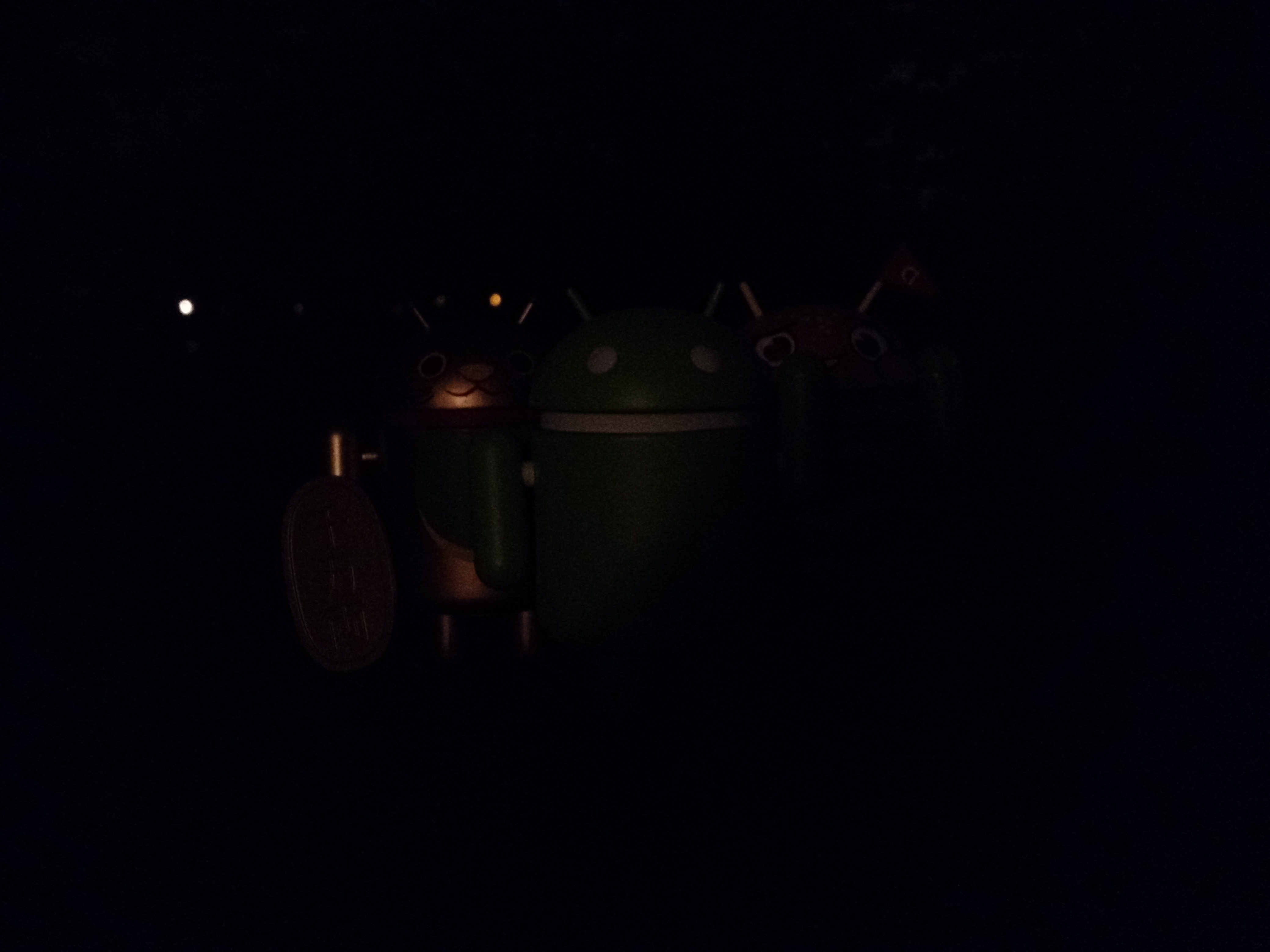
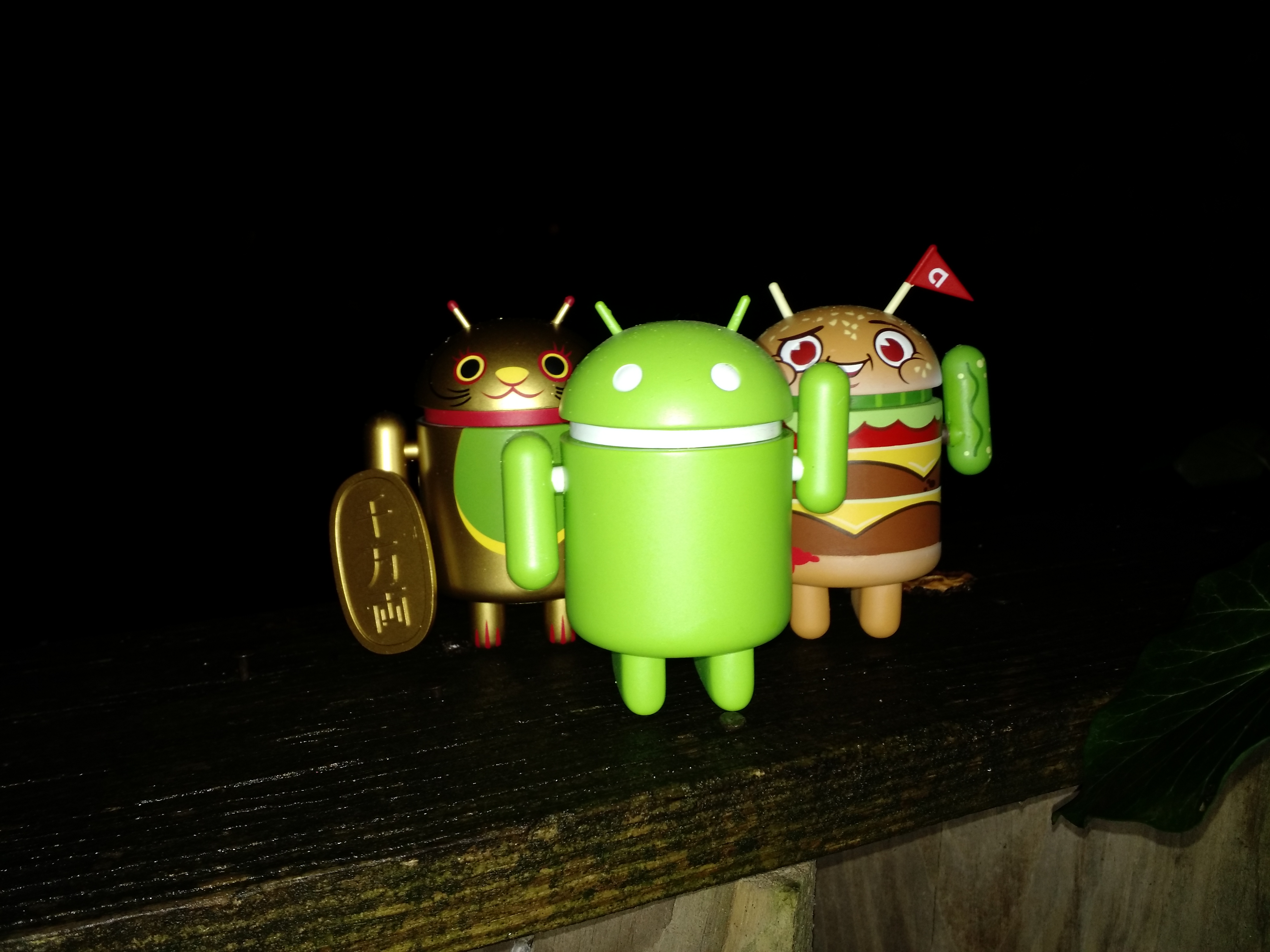
Left: Nexus 6, Middle: Nexus 5, Right: Moto X

Top: Normal Exposure, Bottom: HDR/+


Left: Nexus 6, Middle: Nexus 5, Right: Moto X

Top: Normal Exposure, Bottom: HDR/+


Left: Nexus 6, Middle: Nexus 5, Right: Moto X

Top: Normal Exposure, Bottom: HDR/+


Left: Nexus 6, Middle: Nexus 5, Right: Moto X


Left: Nexus 6, Middle: Nexus 5, Right: Moto X

Top: Normal Exposure, Bottom: HDR/+


Left: Nexus 6, Middle: Nexus 5, Right: Moto X

Top: Normal Exposure, Middle: HDR/+ Bottom: With Flash

Below is a quick video sample. Audio capture isn't perfect, but the phone does do a good job of blocking out irrelevant noise, providing good enough sound for what I'm looking for in a smartphone camera. The camera does want to re-focus itself during capture, though, and digital zoom is still choppier than it should be.

Stability and Performance

As I've said a couple of times in this review, the Nexus 6 is fast. It's also reliable. If you've experienced performance issues and random stutters on the Nexus 9 as I have, the Nexus 6 will be a complete turnaround. If you're into benchmarks, here's a quick AnTuTu test:

Pretty good, right? The performance on the Nexus 6 is notable. Like its predecessor the Nexus 5, this phone is smooth, fast, and - again - performs reliably. It's a great experience.

Lollipop on the Nexus 6

We won't be diving into the intricacies of the latest version of Android in this review (I'll save that foranother post), but it is worth talking about what Lollipop has to offer specifically for the Nexus 6 (and what it doesn't).

The biggest thing separating the devices in Google's new lineup is their waking functionality. The Nexus 9 has tap-to-wake but no ambient display, while the Nexus 6 has ambient display but no tap-to-wake (the feature was actually explicitly turned off by Google in this commit). The second is a source of frustration, as the fluidity of the Nexus 9's tap-to-wake is a great benefit. It is possible that the feature was switched off because it may interfere with lift-to-wake or ambient display functionality, but lift-to-wake has its own issues.

The feature doesn't always work immediately - pulling the phone out of my pocket, the screen often took 2 or 3 seconds to enter ambient mode, when I could double-tap the screen instantly to wake it. Whether the feature was deemed too redundant to appear on the N6 is neither here nor there, but this user would personally appreciate some sort of option for waking features.

Speaking of ambient mode, I am actually more enthusiastic about the implementation Google's chosen for Lollipop than I am for the implementation on my Moto X. For example, the Moto X does not show Google+ notifications, but since Google's ambient mode shows a black-and-white version of the entire lock screen (minus the wallpaper), I can see every notification that comes in.

What's also great is that touching anything on the screen instantly brings it to life. There's no downtime between your touch and interaction with the elements on the screen. If you begin a swipe in ambient mode, it continues when the screen comes alive instantly.

Elsewhere, there aren't many notable optimizations made for the Nexus 6's massive screen on Lollipop. Apple chose to encourage developers to create alternate layouts for its giant iPhone 6 Plus, but Google is still taking a more holistic stance, encouraging developers to simply make interfaces that work well at every size, working more with scale than specific types of layouts. Frankly I am okay with this. In my opinion, even on an ample 5.9" display, a two-pane layout in one app may still feel cramped, even in landscape mode. That said, the Nexus 6 makes a good reference for developers for larger phones, and there are still some things to think about.

Whether the split-screen functionality explorations we took a look at (shown in our materials on a 4:3 display a la the N9) will make it to the Nexus 6 remains to be seen, but I'd be interested to see how much productivity it added.

Google's launcher does make fair use of the screen real estate. The launcher icons haven't shrunk, but the app grid in the drawer is 4x6, cutting down - at least marginally - on swiping when looking for an app. Additionally, the Nexus 6 is included in the supported hardware for Google's new always-listening feature in Lollipop, which allows users to trigger Google even when the screen is off and the phone isn't charging. This is something I'm accustomed to from my time with the Moto X, and makes a great addition to stock Android.

One more thing - as we've mentioned before, Google has introduced a new feature that - during initial setup - allows carrier bloat apps to be downloaded automatically. During setup, my review unit downloaded one T-Mobile app called "My Account." The app appeared automatically, but I was able to uninstall is just as easily as any other app, which is awesome.

Conclusion

As I said in the opening to this review, I generally really like the Nexus 6. Google has effectively removed the need to qualify its flaws with its price, and in fact there are very few flaws at all as far as I can tell.

The predictable lack of expandable storage or removable battery and the overall heft of the device may be deal breakers for some, especially with Samsung's Galaxy Note 4 floating around. But that doesn't negate my opinion that the Nexus 6 is a great device.

Personally, I've not toted a phone as big as the Nexus 6 before, and while it was an adjustment I've become accustomed to the size of the device. As I transition back, the Moto X 2014 feels absolutely tiny. If you're worried about size, you'd be well-advised to go check the phone out in person before making a final decision.


Nexus 6 Review: Google And Motorola Have Made A Great Big Phone At A Normal Price

Wednesday, November 12, 2014

Mind-controlled transgene expression by a wireless-powered optogenetic designer cell implant

Today I would like to discuss something about a new invention happened in the research field. Just imagine the world where we can control anything with our mind. Yes that is true that there are gadget in developmental stage, by which we can control other devices just by our 'brain waves' or in simple word 'by our thought'. But we crossed the limits by developing something new, by which we can control gene expressions by though- brain waves.

Schematic representation of mind-controlled transgene expression.

Future Treatment Technique For arthritis, Diabetes, Obesity

Mammalian synthetic biology has significantly advanced the design of gene switches that are responsive to trace less cues such as light, gas and radio waves, complex gene circuits, including oscillators, cancer-killing gene classifiers and programmable biocomputers, as well as prosthetic gene networks that provide treatment strategies for gouty arthritis, diabetes and obesity. Akin to synthetic biology promoting prosthetic gene networks for the treatment of metabolic disorders cybernetics advances the design of functional man–machine interfaces in which brain–computer interfaces (BCI) process brain waves to control electromechanical prostheses, such as bionic extremities and even wheel chairs. The advent of synthetic optogenetic devices that use power-controlled, light-adjustable therapeutic interventions will enable the merging of synthetic biology with cybernetics to allow brain waves to remotely control the transgene expression and cellular behaviour in a wireless manner.

Future Of Gene And Cell Based Treatments using optogenetic Implant

Synthetic devices for traceless remote control of gene expression may provide new treatment opportunities in future gene- and cell-based therapies. Here we report the design of a synthetic mind-controlled gene switch that enables human brain activities and mental states to wirelessly programme the transgene expression in human cells. An electroencephalography (EEG)-based brain–computer interface (BCI) processing mental state-specific brain waves programs an inductively linked wireless-powered optogenetic implant containing designer cells engineered for near-infrared (NIR) light-adjustable expression of the human glycoprotein ​SEAP (​secreted alkaline phosphatase). The synthetic optogenetic signalling pathway interfacing the BCI with target gene expression consists of an engineered NIR light-activated bacterial diguanylate cyclase (DGCL) producing the orthogonal second messenger ​cyclic diguanosine monophosphate (​c-di-GMP), which triggers the ​stimulator of interferon genes (​STING)-dependent induction of synthetic ​interferon-βpromoters. Humans generating different mental states (biofeedback control, concentration, meditation) can differentially control ​SEAP production of the designer cells in culture and of subcutaneous wireless-powered optogenetic implants in mice.

Optogenetic devices operating in the near-infrared (NIR) spectral range combine high tissue penetration power with negligible phototoxicity. The phototrophic bacterium Rhodobacter sphaeroides is able to capture NIR light with the multidomain protein ​BphG1, which contains an amino-terminal (N-terminal) NIR light sensor and carboxyl-terminal diguanylate cyclase (DGC) domain, as well as phosphodiesterase (PDE) activities, to control the level of the ubiquitous bacterial second messenger ​cyclic diguanosine monophosphate (​c-di-GMP) and orchestrate the environmental light-triggered transition from motile cells to biofilm-forming communities. ​Stimulator of interferon genes (​STING) was recently identified as a novel player in the human innate immunity that functions as a cyclic di-nucleotide sensor (​cGAMP, ​c-di-AMP, ​c-di-GMP) to detect the presence of cytosolic DNA via ​cyclic-GMP–AMP (cGAMP) synthase (​cGAS)-mediated production of ​cGAMP, as well as second messengers (​c-di-AMP, ​c-di-GMP) released from intracellular pathogens. Activated ​STING specifies the phosphorylation of the ​interferon-regulatory factor 3 (​IRF3) by ​tank-binding kinase 1, which results in the nuclear translocation of ​IRF3, binding to ​IRF3-specific operators and induction of type I interferon promoters. In this study, we rewire BCI-triggered NIR light-based induction of ​c-di-GMP production by ​BphG1 variants to ​c-di-GMP-dependent ​STING-driven activation of optimized interferon-responsive promoters to enable mind-controlled transgene expression in mammalian designer cells inside subcutaneous wireless-powered optogenetic implants in mice. Cybernetic control of synthetic gene networks in designer mammalian cells may pave the way for mind-genetic interfaces in future treatment strategies.

Wireless-powered optogenetic implant

The wireless-powered optogenetic implant was a fully sealed, all-in-one biocompatible device comprising a power receiver, which was remotely powered by electromagnetic induction controlled by the field generator, and the 700-nm NIR LED (λmax=700 nm, 20 mW sr−1; cat. no. ELD-700-524-1; Roithner Lasertechnik, Vienna, Austria), which enabled light-programmable transgene expression of designer cells inside the semi-permeable cultivation chamber (Fig. a–c). The power receiver’s antenna was assembled from three orthogonal copper coils (0.1-mm copper wire with 130 windings on a 7 × 7 × 7 mm ferrite cube), three in-series resonance capacitors and six Schottky diodes, which integrated and rectified the current of the three coils and powered the NIR LED in an orientation- and motion-independent manner ( Fig. b) The entire power receiver, including the base of the NIR LED, was moulded into a spherical polycarbonate cap containing polydimethylsiloxane (PDMS; cat. no. 701912-1, Sigma-Aldrich, Buchs, Switzerland) and fitted to a custom-adapted 500-μl polycarbonate chamber (0.4 × 0.9 mm) with semi-permeable polyethersulfone <300 kDa-cutoff membranes (PES Membrane, VS0651, Sartorius Stedim Biotech, Germany) on two sides (Fig. a). The device was sealed by polymerizing the PDMS for 30 min at 50 °C. The coupling intensity of the wireless-powered optogenetic implant was profiled in the space above the field generator by scoring the wireless transmission of power to the implant . A total of 500 μl of a pSO3/pSO4- or pSO3/pSBC-2 (negative control)-transgenic HEK-293F cell suspension (1 × 10⁶cells) was loaded via a syringe through a hole in the polycarbonate side of the culture chamber, which was sealed with a PDMS plug before implanting the device subcutaneously into the mouse.
 Wireless-powered optogenetic implant.
Wireless-powered optogenetic implant.
(a) Wireless-powered implant on the field generator with an illuminated NIR LED. A 1 CHF coin (23 mm in diameter) serves as a size indicator. The 0.5-ml cultivation chamber containing semi-permeable PES membranes on both sides was moulded to a spherical polycarbonate cap contain a PDMS-sealed three-dimensional (3D) receiver antenna wired to the NIR-LED. (b) 3D receiver antenna wired via the receiver circuit (receiver coils, resonance capacitors, Schottky diodes; Supplementary Figs 5 and 11) to the NIR LED. (c) Quality-control test of the custom-made wireless-powered optogenetic implants illuminated while standing on the powered field generator. (d) Mouse with a subcutaneous wireless-powered optogenetic implant, the activity of which can be observed through the skin. (e) Field generator.

Mind-controlled transgene expression in mice

Cell-containing wireless-powered optogenetic implants were subcutaneously implanted on the backs of short-term ​isoflurane-anaesthetized wild-type mice (Oncins France souche 1, Charles River Laboratories, Lyon, France), and the cage containing the treated animals was placed on the field generator connected to the BCI. The human subject wearing the BCI headset conducted three different mental states, biofeedback, concentration and meditation, which were integrated (5/25/25 min) and converted to threshold (meditation-meter values 90/75/75)-dependent activation of the time-delay relay that switched the NIR LED in the wireless-powered optogenetic implant ON for defined periods of time (60 min/30 s/30 s) and induced light-triggered ​SEAP expression in the implanted cells. After 48 and 144 h, blood samples were collected retro-orbitally, and serum ​SEAPlevels were determined as described above. The implants of one treatment group were removed after ​SEAP profiling at 48 h, and the serum ​SEAP levels were quantified again 96 h after implant removal. Control mice received wireless-powered optogenetic implants containing pSO3/pSBC-2-transfected HEK-293F cells. Throughout the entire animal study, five 4-week-old female Oncin Souche 1 wild-type mice of the delivered pool were randomly allocated to the individual treatment groups. Neither samples nor animals were excluded from the study and blood-sample analysis was blinded

Controlling Gene Expression With Our Mind

Tuesday, November 11, 2014

Geophysicists Are Turning Peanut Butter Into Diamond Gemstones

The world's simplest sandwich is actually a diamond in the rough .

Climate Simulating Lab Foeanut Butter

In his lab at the Bayerisches Geoinstitut in Germany, Dan Frost is trying to simulate conditions found in the Earth’s lower mantle. More than 1,800 miles below the surface, the lower mantle experiences temperatures nearing 4,000 degrees Fahrenheit and pressures that are 1.3 million times higher than the air we breathe.
According to David Robson at BBC Future, in trying to simulate those scorching underground environments, Frost has stumbled upon some innovative ways to manufacture diamonds. Beneath their sparkles, diamonds are composed of simple carbon atoms arranged into a crystal.

Lab For Diamond Making

Frost's research started with a hypothesis that in ancient times, rocks could have pulled carbon dioxide from the oceans. Then, as the rocks were drawn down into the mantle, high pressures force the CO2 to leave the rocks. Once the CO2 was free, iron in the mantle stripped it of its oxygen. That left just the naked carbon, which was squished into diamond by the high heat and temperatures. That was the hypothesis anyway, "[a]nd that is exactly what Frost found when he recreated the process using his presses – essentially forging a diamond from thin air," writes Robson.

Diamond From Sandwiches ! Is It Possible?

Because all foodstuffs (and for that matter, all living things) contain carbon, the researchers have successfully made diamonds out of everyone's favorite sandwich ingredient: peanut butter. However, the hydrogen that’s bonded to the carbon in peanut butter apparently does make the process messier. And even under the best circumstances, the transformation is slow. “If we wanted a two-or-three-millimetre diamond, we would need to leave it for weeks,” Frost told BBC Future.
Still, the technique could be useful for things other than manufacturing nerdy bling. By tinkering with the ingredients that go into the diamond-making process, the researchers are hopeful that they’ll be able to make better superconductors as well as super-strong diamonds for industrial applications.

Diamond Gemstones From Peanut Burtter

Friday, October 31, 2014

Plastic Chemical Linked to Changes in Baby Boy's Genitals

Boys exposed in the womb to high levels of a chemical found in vinyl products are born with slightly altered genital development, according to research published today.

di-isononyl phthalate (DiNP)

The study of nearly 200 Swedish babies is the first to link the chemical di-isononyl phthalate (DiNP) to changes in the development of the human male reproductive tract.
Previous studies of baby boys in three countries found that a similar plastics chemical, DEHP, was associated with the same type of changes in their genitalia.

The Role of vinyl toys, flooring and packaging

Less is known about the reproductive risks of DiNP, a chemical which scientists say may be replacing DEHP in many products such as vinyl toys, flooring and packaging. In mice, high levels block testosterone and alter testicular development.
child development
A study of nearly 200 Swedish babies is the first to link the chemical di-isononyl phthalate (DiNP) to changes in the development of the human male reproductive tract. 

“Our data suggest that this substitute phthalate may not be safer than the chemical it is replacing,” wrote the researchers, led by Carl-Gustaf Bornehag at Sweden’s Karlstad University, in the journal Environmental Health Perspectives.
Levels of DiNP in U.S. adults and children more than doubled in the past decade.
“This study raises concern about DiNP, which is being used in increased amounts in products that contain vinyl plastics, and the impact on the developing fetus,” said Dr. Russ Hauser, a professor of environmental and occupational epidemiology at Harvard School of Public Health who is not involved in the new study.
The researchers measured metabolites of five phthalates in the urine of pregnant women during the first trimester. Development of male reproductive organs begins during that period, said senior study author Shanna Swan, a professor of reproductive science at Mount Sinai Hospital in New York.
The researchers then measured the anogenital distance – the length between the anus and the genitals – when the boys were on average 21 months old. Boys who had been exposed to the highest levels of DiNP in the womb averaged a distance that was slightly shorter – about seven-hundredths of an inch – than the boys with the lowest exposures.
“These were really subtle changes,” Swan said.

Effect On Fertility

Considered a sign of incomplete masculinization, shortened anogenital distance in men has been associated with abnormal testicular development and reduced semen quality and fertility. In men, this measurement is typically 50 to 100 percent longer than in women.
But it’s unknown whether a slightly shorter distance in infants corresponds with any fertility problems later in life.
“More research is needed to understand the extent to which shorter anogenital distance at birth is associated with impaired reproductive function later in life in humans,” said Emily Barrett, a reproductive health scientist at the University of Rochester Medical Center in New York.
For other phthalates, the study found shorter anogenital distance with higher concentrations, but the findings were not statistically significant, meaning they may have been due to chance. The Swedish women in the new study had phthalate levels similar to U.S. women in Swan's previous studies. Those studies, published in 2005and 2008, linked several phthalates to shorter anogenital distance.
A spokesperson for the American Chemistry Council, a group representing chemical manufacturers, said the study "reports small changes that are associated with exposure to DiNP" but does not prove that the chemical caused the changes. 
The spokesperson said the new findings "seem to contradict" the authors' earlier findings as well as two other studies that found no association between DiNP and men's anogenital distance. In addition, the study is based on a single urine sample from the mothers. As a result, the "plausibility is low," the industry group said. "To demonstrate causal associations in the field of epidemiology, there are criteria that should be evaluated and considered...We found that this study scores low for many important considerations."
The industry group did not answer questions about what types of products DiNP is used in. The scientists said exposures to the chemical can come from food or through skin contact with home furnishings or child-care articles.
In 2008, the United States temporarily banned use of DiNP and two other phthalate plasticizers in toys and other children's products. “This ban does nothing to protect the developing fetus,” Swan said.
The Consumer Product Safety Commission recommended in July to make the ban permanent and urged that “U.S. agencies responsible for dealing with DiNP exposures from food and other products conduct the necessary risk assessments.”

The Role of Packed Food , Plastic Containers

While it’s nearly impossible to eliminate exposure to phthalates, Swan suggested that pregnant women may be able to reduce their exposures by incorporating unprocessed, unpackaged foods into the diet and by avoiding heating or storing foods in plastic containers.

Plastic Chemical Linked to Changes in Baby Boy's Genitals

Thursday, October 30, 2014

Tiny human stomachs grown in the lab

Scientists have successfully grown miniature stomachs in the lab from human stem cells, guiding them through the stages of development seen in an embryo. The lumps of living tissue, which are no bigger than a sesame seed, have a gland structure that is similar to human stomachs and can even harbour gut bacteria.


The feat, reported in this week's Nature1, offers a window to how cells in human embryos morph into organs. Scientists say that these 'gastric organoids' could also be used to understand diseases such as cancer, and to test the stomach's response to drugs.
“This is extremely exciting,” says Calvin Kuo, a stem-cell biologist at Stanford University in California. “To be able to recapitulate that in a dish is quite a technical achievement.”
The stem cells used to grow the mini stomachs are pluripotent, or plastic: given the right environment, they can mature into any type of cell. But to coax them down a specific path in the lab requires recreating the precise sequence and timing of environmental cues in the womb — the signals from proteins and hormones that tell cells what kind of tissue to become. Bits of kidney, liver, brain and intestine have previously been grown in a lab dish using this technique.

Stomach switch- Cancer Research , Drug REaction

The key to turning pluripotent stem cells into stomach cells was a pathway of interactions that acts as a switch between growing tissues in the intestine and in the antrum, a part of the stomach near its outlet to the small intestine.
When the stem cells were around three days old, researchers added a cocktail of proteins including Noggin, which suppresses that pathway, and timed doses of retinoic acid, a compound in vitamin A. After nine days, the cells were left to grow in a protein bath.
At 34 days, the resulting organoids were only a few millimetres in diameter and had no blood cells, immune cells, nor the ability to process food or secrete bile. But their gland structures and each marker of their development paralleled development in their control tissues, which the team obtained from mice. In that sense, they “are remarkably similar to an actual stomach”, says study leader James Wells, a developmental biologist at Cincinnati Children's Hospital Medical Center in Ohio.
That similarity allowed the researchers to use the tiny stomachs as test subjects for human disease by injecting them with Helicobacter pylori, a bacterium that targets the antrum and can cause ulcers and stomach cancer. Within 24 hours, the team found that H. pylori was causing the organoid cells to divide twice as fast as normal, and activating a particular gene, c-Met, that can cause tumours. These effects are also seen in human stomachs infected with H. pylori.
The researchers say that they can grow the stomach organoids from both embryonic stem cells and skin cells induced to pluripotency. Jason Mills, a gastrointestinal pathologist at Washington University School of Medicine in St. Louis, envisions growing thousands of such organoids, each from a different person’s cells, and infecting them with a pathogen to study the role of individual genetics.
Wells says that his team's long-term goal is to be able to grow personal stomach tissue to patch up ulcers in humans. He and some colleagues are already attempting to use human organoids to plug stomach holes in mice.

Artificial Human Stomach Grown In Lab

 
Hi-Tech Talk © 2015 - Designed by Templateism.com