Wednesday, May 6, 2015

8 Scientifically Proven Facts About Breaking Up


 Shutterstock
Ever had a friend tell you that you have to "just get over it" after a tough breakup? Yeah, that would be completely untrue. “There might be a tendency in the public to overestimate the ease at which we should move on from failed relationships,” says Brian Boutwell, Ph.D., the coauthor of a recent study about breakups and an associate professor of criminology and criminal justice and associate professor of epidemiology at Saint Louis University.
“Some people will be quite good at [splitting], and others will not. As a result, understanding that some people will simply have a naturally harder time getting over a breakup is important. Someone who has a difficult time moving on is not suffering from some type of moral failure—rather, they may simply lack the same capacity that others have to move on to a new relationship.” Here’s what else you need to know about the science behind breakups.
Blame it on nature. Guys are practically programmed to dump you if you cheat on them, as the Saint Louis University study discovered. “Sexual infidelity posses a direct threat to the genetic fitness of a male,” says Boutwell. “In other words, it means he may end up raising a child who is not his own. This would mean that his own genes are not passed along.”
Unlike guys, we don’t have a doubt when it comes to knowing our kids are biologically ours. “However, a father present may have been critical to the safety and prosperity of the mother and her child,” says Boutwell. “Should a male become unwilling—because he fell in love with someone else, potentially—to provide for his offspring, it may be best for the female to move on to someone else.” But this doesn’t mean that women are okay with cheating; it’s just that for them, physical infidelity can be less damaging than the emotional variety since that could lead him leaving his family for another woman.
There really is a reason jerks are single. “A partner who is unpredictable, cruel, and violent toward a partner and their children is unlikely to represent a safe bet in terms of reproducing and raising children to adulthood,” says Boutwell. Evolutionary scholars have proven that people who are chronically violent are less likely to have kids because they can't find sexual partners as easily. But you probably didn’t need science to tell you that...
J.Lo sings otherwise, but love does cost a thing. Fighting about financials is the top predictor of divorce, according to a study published in Family Relations journal, beating out spats about sex, in-laws, and kids. And this holds true regardless of debt, income, or net worth. Arguments about money were also typically longer and more intense than other sorts of fights. The study authors believe this could be because financial brawls could reflect on deeper issues in the relationship and people tend to have strong beliefs about the purpose of money
Thinking about a recent split all the time might seem like a bad idea, but it can actually help speed up emotional recovery. A new studypublished in Social Psychological and Personality Science found that those who ruminated over their ex ended up having a stronger sense of themselves as a single person.
You aren’t going to “like” this: Excessive Facebook use can seriously damage your relationship. It’s been linked to emotional and physical cheating, breakup, and divorce, according to a study published in the journalCyberpsychology, Behavior and Social Networking. And the same goes for Twitter, as discovered byresearch from the University of Missouri-Columbia. The research didn't examine why social media might be linked to these bad relationship outcomes, but experts speculate that it might be because Facebook and Twitter make it easier for people to cheat and get in touch with old flames.
Ever feel like you can’t get enough of your guy?Research has proven that falling in love has something in common with a drug habit—it’s hard to break. “The regions of the brain which are implicated in feelings of love and attraction are also implicated in addiction to various illegal drugs,” says Boutwell. “This is perhaps not surprising, though, given the strong addictive feelings we feel toward someone when we fall in love with them—or when we’re broken up with and still care for our former partner.” So next time you’re having a hard time getting over a split, give yourself a break—quitting is never easy!

Why we break up? Science behind it

Tuesday, May 5, 2015


Drinking Cold water ! Is it really a cure for Obesity?


Drinking cold water causes the body to burn more calories and could be an effective weight-loss method for overweight children. Sound to good to be true? Maybe not!


Our bodies naturally try to maintain an ideal internal temperature at all times. When it’s hot, we sweat as a way of getting rid of unwanted heat. When it’s cold, we shiver as a way to create internal heat. It turns out that when we eat hot or cold foods, the body reacts in similar ways.

The study measured something called the “resting energy expenditure (REE)” of 21 overweight children. It found that, after drinking about 2 cups of iced water, a significant drop in REE occurred immediately. This was a result of the cooling effect on the mouth, throat and stomach. What’s really interesting is that about 20 minutes later, the test participants’ REE was significantly higher and stayed higher for more than an hour after drinking the water.

In order to expend more energy (in other words, raise REE), the body must burn more calories. The study found that more calories were burned by subjects who drank ice water. How much more? The study doesn’t say. Does this mean that iced water is the “cure-all” for obesity? In short, no. But every little bit helps!

Remember, healthy choices you make each day can transform your family for generations! What choices will you make today?

Drink Cold Water : Fight Obesity !

Monday, May 4, 2015

A new Diagnosis to Identify Cancer Risk Before 13 years


A recent study by scientists from the Northwestern University Feinberg School of Medicine and Harvard University shows how the shifting length of blood telomeres, which are the defensive covers at the end of DNA strands, may predict cancer development some 13 years prior to actual diagnosis.

The Role of Telomeres


A telomere is a region of repetitive nucleotide sequences at each end of a chromatid, which protects the end of the chromosome from deterioration or from fusion with neighbouring chromosomes.

The scientists observed that blood telomeres—sequences of DNA at the end of a chromosome that protect them from deterioration—age quicker on future cancer patients compared to healthy individuals. This is indicated in the rapid length reduction of the telomeres, which then stop maturing for a couple of years in the period leading to the diagnosis of cancer.

"Understanding this pattern of telomere growth may mean it can be a predictive biomarker for cancer," said Dr. Lifang Hou, an associate professor of preventive medicine at the Feinberg School of Medicine and the lead author of the study.

The distinguishing pattern exhibits a fast reduction in the blood telomeres' length, followed by three to four years of pause during which no significant changes in the length are recorded.

The scientists took various telomere measurements across a 13-year period in 792 persons. A total of 135 participants were eventually diagnosed with cancer, including leukemia, lung, skin and prostate cancer.

Telomeres reduce their length during cell division, and this process continues as humans age.


However, cancer cells also grow and divide very fast, so scientists once assumed these cells would also self-destruct since their telomeres would shorten. The study suggests that cancer cells have instead established a process to halt the reduction in the telomeres' length.

Hou said that if the process behind cancer cells escaping normal cell division and telomere reduction is examined more closely, then it is possible to develop treatments that can cause cancer cells to self-destruct without damaging healthy cells.

This study, published in the journal Ebiomedicine, hopes to analyze changes in telomere length in the years prior to the diagnosis of cancer and before the initiation of radiation treatment. It is known that treatments for cancer affect telomere length.

However, it should be noted that insurance companies warned that if cancer detection through this type of blood testing will be successful in forecasting cancer development, it could push up policy premiums for those people who are likely to develop the disease later on.

Detect Cancer 13 Years earlier

Friday, May 1, 2015

These are some general health tips recommended by Ayurveda: 
Sleep on time: Wake up early, preferably before sunrise. A good night sleep can help to start a day with a fresh and clear mind.

Drink lots of water: Drinking water is advantageous in every way. It assists metabolism and digestion, prevents constipation and the accumulation of waste products (ama) in the body, keeps away diseases and even helps in keeping the skin clear of acne and pimples.
Wash your face often: Wash your face with water many times a day to remove dirt and grime, prevent the occurrence of pimples and acne and get a refreshed feeling. 
Take an oil massage: Massage your body with oil before bath which will rejuvenate you, reduce fatigue and prevent dry skin. Massaging the scalp with oil can prevent dandruff, graying and hair fall, enhance mental alertness and so on. 
Exercise regularly: There ish o doubt as to the benefits of a regular exercise routine. Practicing Yoga and meditation can make your body immune to diseases, give your mind the capability to concentrate and ward off stress, lose unnecessary fat, give the body flexibility and suppleness. 
Follow proper hygiene: Cleanliness is very important to preserve health. Bath twice a day, keep your hair and nails clean and wear only clean clothes. Wash your face, hands and legs after going out. 
Watch out for negative vibes: Try to keep your mind clear of negative thoughts and emotions such as anger, jealousy, depression, greed, hatred, sadness etc. Saying a prayer can help- in the morning, at dusk, before having your meals and before going to bed. Avoid speaking ill of others and always keep your mind at ease by engaging in things that you like and enjoy. 
Mind what you eat: Eat fresh and wholesome food and follow healthy eating habits. Food should be well cooked, preferably at home and should be had in a peaceful and calm environment. 
Maintain a healthy weight: According to Ayurveda, both obesity and emaciation (Under weight) are dangerous. So always follow a healthy diet, exercise regularly and maintain a weight as per your BMI.
For an undisturbed sleep: Drink a glass of warm milk before going to bed. This will help you sleep peacefully. Also isolate your mind from all stressful and worrisome thoughts before going to bed.
 Intake of curd at night can block the body channels which in turn can disrupt digestion.

Ayurveda, Tips for Healthy living

Friday, April 24, 2015

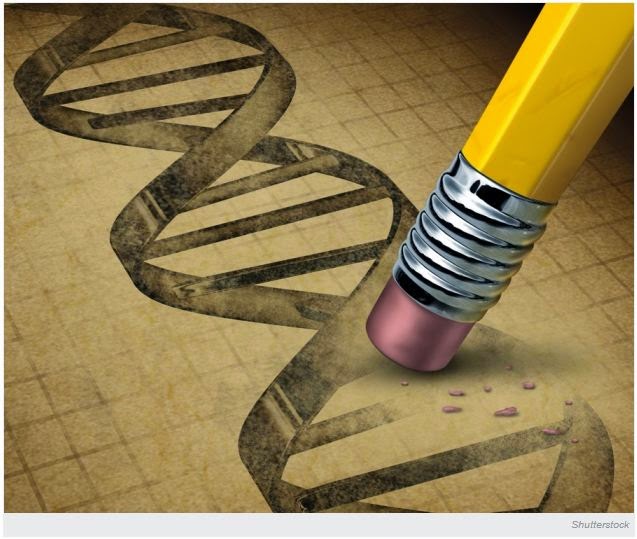
Heritable human genetic modifications pose serious risks,  the therapeutic benefits are tenuous, warn Edward Lanphier, Fyodor Urnov with colleagues.

By Nature


It is thought that studies involving the use of genome-editing tools to modify the DNA of human embryos will be published shortly.

There are grave concerns regarding the ethical and safety implications of this research. There is also fear of the negative impact it could have on important work involving the use of genome-editing techniques in somatic (non-reproductive) cells.

We are all involved in this latter area of work. One of us (F.U.) helped to develop the first genome-editing technology, zinc-finger nucleases (ZFNs), and is now senior scientist at the company developing them, Sangamo BioSciences of Richmond, California. The Alliance for Regenerative Medicine (ARM; in which E.L., M.W. and S.E.H. are involved), is an international organization that represents more than 200 life-sciences companies, research institutions, non-profit organizations, patient-advocacy groups and investors focused on developing and commercializing therapeutics, including those involving genome editing.

Genome-editing technologies may offer a powerful approach to treat many human diseases, including HIV/AIDS, haemophilia, sickle-cell anaemia and several forms of cancer. All techniques currently in various stages of clinical development focus on modifying the genetic material of somatic cells, such as T cells (a type of white blood cell). These are not designed to affect sperm or eggs.

In our view, genome editing in human embryos using current technologies could have unpredictable effects on future generations. This makes it dangerous and ethically unacceptable. Such research could be exploited for non-therapeutic modifications. We are concerned that a public outcry about such an ethical breach could hinder a promising area of therapeutic development, namely making genetic changes that cannot be inherited.

At this early stage, scientists should agree not to modify the DNA of human reproductive cells. Should a truly compelling case ever arise for the therapeutic benefit of germ­line modification, we encourage an open discussion around the appropriate course of action.

Embryo Editing tools


Genome editing of human somatic cells aims to repair or eliminate a mutation that could cause disease. The premise is that corrective changes to a sufficient number of cells carrying the mutation — in which the genetic fixes would last the lifetimes of the modified cells and their progeny — could provide a ‘one and done’ curative treatment for patients.

For instance, ZFNs are DNA-binding proteins that can be engineered to induce a double-strand break in a section of DNA. Such molecular scissors enable researchers to ‘knock out’ specific genes, repair a mutation or incorporate a new stretch of DNA into a selected location.

Sangamo BioSciences is conducting clinical trials to evaluate an application of genome editing as a potential ‘functional cure’ for HIV/AIDS. The hope is that intravenous infusion of modified T cells will enable patients to stop taking anti­retroviral drugs. A phase I trial in patients with β-thalassaemia — a genetic blood disorder caused by insufficient haemoglobin production — is scheduled to begin this year.

The newest addition to the genome-editing arsenal is CRISPR/Cas9, a bacteria-derived system that uses RNA molecules that recognize specific human DNA sequences. The RNAs act as guides, matching the nuclease to corresponding locations in the human genome. CRISPR/Cas9 is the simplest genome-editing tool to work with because it relies on RNA–DNA base pairing, rather than the engineering of proteins that bind particular DNA sequences.

The CRISPR technique has dramatically expanded research on genome editing. But we cannot imagine a situation in which its use in human embryos would offer a therapeutic benefit over existing and developing methods. It would be difficult to control exactly how many cells are modified. Increasing the dose of nuclease used would increase the likelihood that the mutated gene will be corrected, but also raise the risk of cuts being made elsewhere in the genome.

In an embryo, a nuclease may not necessarily cut both copies of the target gene, or the cell may start dividing before the corrections are complete, resulting in a genetic mosaic. Studies using gene-editing in animals such as rats, cattle, sheep and pigs, indicate that it is possible to delete or disable genes in an embryo — a simpler process than actually correcting DNA sequences — in onlysome of the cells.

The current ability to perform quality controls on only a subset of cells means that the precise effects of genetic modification to an embryo may be impossible to know until after birth. Even then, potential problems may not surface for years. Established methods, such as standard prenatal genetic diagnostics or in vitro fertilization (IVF) with the genetic profiling of embryos before implantation, are much better options for parents who both carry the same mutation for a disease.

Legal case


Patient safety is paramount among the arguments against modifying the human germ line (egg and sperm cells). If a mosaic embryo is created, the embryo’s germ line may or may not carry the genetic alteration. But the use of CRISPR/Cas9 in human embryos certainly makes onward human germline modification a possibility. Philosophically or ethically justifiable applications for this technology — should any ever exist — are moot until it becomes possible to demonstrate safe outcomes and obtain reproducible data over multiple generations.

Because of such concerns — as well as for serious ethical reasons — some countries discouraged or prohibited this type of research a decade before the technical feasibility of germline modification was confirmed in rats in 2009 . (Today, around 40 countries discourage or ban it.)

Many countries do not have explicit legislation in place permitting or forbidding genetic engineering in humans — considering such research experimental and not therapeutic (see go.nature.com/uvthmu). However, in nations with policies regarding inheritable genetic modification, it has been prohibited by law or by measures having the force of law.

This consensus is most visible in western Europe, where 15 of 22 nations prohibit the modification of the germ line. Although the United States has not officially prohibited germline modification, the US National Institutes of Health’s Recombinant DNA Advisory Committee explicitly states that it “will not at present entertain proposals for germ line alterations” (see go.nature.com/mgscb2).

In general, researchers who want to investigate the clinical uses of genetically engineered somatic cells must secure people’s informed consent. In the United States, this takes place under the oversight of the Food and Drug Administration and the Department of Health and Human Services. For research involving genetic modification of the germ line, it is unclear what information would be needed — or obtainable — to adequately inform prospective parents of the risks, including to future generations.

Many oppose germline modification on the grounds that permitting even unambiguously therapeutic interventions could start us down a path towards non-therapeutic genetic enhancement. We share these concerns.

Dialogue needed


Ten years ago, the Genetics and Public Policy Center, now in Washington DC, brought together more than 80 experts from the United States and Canada to consider the scientific and ethical consequences of genetically modifying the human germ line. Now that the capability for human germline engineering has emerged, we urge the international scientific community to engage in this type of dialogue. This is needed both to establish how to proceed in the immediate term, and to assess whether, and under what circumstances — if any — future research involving genetic modification of human germ cells should take place. Such discussions must include the public as well as experts and academics.

An excellent precedent for open, early discussion as new scientific capabilities emerge was set by the hearings, consultations and reports involving scientists, bioethicists, regulators and the general public that preceded the UK government’s decision to legalize mitochondrial DNA transfer in February. We are not, of course, making a comparison between the replacement of faulty mitochondrial DNA in an egg or embryo with healthy DNA from a female donor and the use of genome-editing in human embryos. In mitochondrial transfer, the aim is to prevent life-threatening diseases by replacing a known and tiny fraction of the overall genome.

Key to all discussion and future research is making a clear distinction between genome editing in somatic cells and in germ cells. A voluntary moratorium in the scientific community could be an effective way to discourage human germline modification and raise public awareness of the difference between these two techniques. Legitimate concerns regarding the safety and ethical impacts of germline editing must not impede the significant progress being made in the clinical development of approaches to potentially cure serious debilitating diseases.

Ethics Of Editing Human Germ Line

Thursday, April 23, 2015

Google launches its own mobile network for Nexus 6 owners
Google is now a mobile carrier. Today the company has made official its plan to offer wireless service to owners of its Nexus 6 smartphone. It's called Project Fi, and Google is launching an early invite program beginning today. "Similar to our Nexus hardware program, Project Fi enables us to work in close partnership with leading carriers, hardware makers, and all of you to push the boundaries of what's possible," the company wrote in a blog post.
The service is only available for the Nexus 6 and requires a special SIM card for Project FI — it will work with both existing Nexus 6 devices and new ones. Google says that right now the service is only available as an "early access program," and during that program it won't work on other phones.
Google's new offering is unique in that the company will charge consumers only for the data they use rather than hit them with a flat monthly fee that comes with a preset amount of data. If you fail to use all the data you've paid for, Google will refund you the difference.
For $20 a month you get all the basics (talk, text, Wi-Fi tethering, and international coverage in 120+ countries), and then it's a flat $10 per GB for cellular data while in the U.S. and abroad. 1GB is $10/month, 2GB is $20/month, 3GB is $30/month, and so on. Since it's hard to predict your data usage, you'll get credit for the full value of your unused data. Let's say you go with 3GB for $30 and only use 1.4GB one month. You'll get $16 back, so you only pay for what you use.

If you go over your plan, Google will simply charge you at a pro-rated rate of $10 per GB. In other words, if you pay for data and don't use it, you get refunded. If you don't buy data and use it, you end up paying the same amount. There are no family plans available, but neither does it require a contract of any kind.
As reported previously, Google will operate its wireless service with the help of both T-Mobile and Sprint; customers will have access to both networks, and Google's service will intelligently switch between them and Wi-Fi to maintain strong reception. "We developed new technology that gives you better coverage by intelligently connecting you to the fastest available network at your location whether it's Wi-Fi or one of our two partner LTE networks," the company said. Project Fi also supports voice calls and texting over Wi-Fi, lending subscribers more flexibility and how and where they can communicate with their contacts. Google also says it's using secure tech (there's a key that shows up in your menu bar) for when you're using public Wi-Fi hotspots.
Project Fi phone numbers "live in the cloud," according to Google, enabling you to text and place voice calls from a laptop or tablet without your actual phone nearby. When you are on the phone, Google says calls can seamlessly transition to LTE when you leave a Wi-Fi network. Google seems to be using the new, combined Hangouts / Google Voice infrastructure in some way for Fi, as its FAQ references it often.
If you're interested in being part of Google's mobile experiment, the signup page is here. Google says it'll be sending out a small number of invites every week starting now.

Project Fi, Google's own network for N6 users

Wednesday, April 22, 2015


New Google Doodle Celebrates Earth Day 2015

In 1970, 20 million Americans took to the streets to spread the message of environmental awareness, and in the process created the first ever Earth Day. To honor what has become a global observance, a new Google Doodle has been created for Earth Day 2015.


The brainchild of the late Wisconsin Senator Gaylord Nelson, Earth Day 1970 garnered bipartisan support and is widely considered to be the beginning of the environmental movement. The campaign led to remarkable change — generating momentum for the creation of the Environmental Protection Agency and the passing of the Clean Air Act, Clean Water Act and the Endangered Species Act.

In 1990 another big campaign was organized to honor the 20th anniversary of Earth Day and an estimated 200 million people worldwide participated in the celebrations. Afterward, President Bill Clinton awarded Senator Nelson the Presidential Medal of Freedom — the highest honor a U.S. civilian can receive.

Earth Day 2015 includes a cleanup of the Great Wall of China, beach-litter removal in Lebanon and an attempt to protect 25,000 acres of rain forest in Indonesia.

The doodle features a spinning globe with various animal animations inside the Google letters. With a click, the animation links to a fun quiz where people can find out “which animal are you?”

Earth Day Quiz : Google Doodle

Tuesday, April 21, 2015

Has Google Street View just spotted the Loch Ness Monster?

Google says: ‘Today, to celebrate the anniversary of its release, we’re bringing 360-degree Street View imagery of Loch Ness to Google Maps, so you can go in search of Nessie yourself.

Loch Ness 360 street view


The search giant worked with Loch Ness experts to try and hunt down the famous – and possibly fictional – monster.
The search giant worked with divers to explore the waters of Loch Ness


Google’s Lat Long blog says, ‘Adrian Shine, leader of the Loch Ness & Morar Project, has been engaged in fieldwork in the Highlands since 1973 and was an integral part of the Street View collection.

‘As a true Loch Ness expert, Shine has logged more than 1,000 Nessie sightings and offers scientific explanations for why people claim to have seen Scotland’s mysterious cryptid.

‘To take you on a tour of what lies beneath, our partners at the Catlin Seaview Survey dived deep under the surface of the lake, collecting imagery along the way.

‘You can imagine Nessie nestling within these dark, peat-filled waters, waiting for the right moment to breach the surface into the Scottish sunlight above.
The infamous ‘Loch Ness Monster’ photograph, taken on April 19, 1934, and widely believed to be a hoax. Sorry (Picture: Getty)


The launch comes at a pertinent time: it is 81 years today since one of the most famous of all Nessie images emerged – a grainy but convincing shot of a long-necked reptilian creature seemingly swimming calmly in the loch, taken on April 19, 1934.

The photo, which appeared in the Daily Mail on 21 April 1934, was dubbed the ‘Surgeon’s Photograph’ because the man who supposedly clicked the shutter, London gynaecologist Robert Kenneth Wilson, wanted to disassociate himself from it.

The photo has now been dismissed as a hoax – but not without decades of careful examination and discussion.

The final nail in the coffin for Nessie came with a 1999 book, The Surgeon’s Photo Exposed, which echoed a 1975 newspaper article claiming this particular fabled Nessie was no more than a toy submarine made to look like the cryptid for the sake of the elaborate hoax.

Loch Ness Monster 360 street view by Google map

Monday, April 20, 2015


High speed Broadband connection from Comcast


Comcast said Friday it will be offering some of its customers in the San Francisco Bay Area and the state 2 gigabits-per-second Internet service, surpassing the speed offered by its competitors, AT&T and Google Fiber. The two companies offer an Internet connection at a speed of 1 gigabit per second.

Comcast said it won't disclose the cost of the lightning-fast service until closer to June, when Gigabit Pro will launch in California.

Internet service at that speed is so fast that it would allow customers to download an entire high-definition movie in 12 seconds or 100 songs in 2.4 seconds.
"Comcast is trying to get a jump on Google Fiber and others like AT&T who are rolling out gigabit services. There's that threat to at least be able to offer a speed tier that's competitive," said Teresa Mastrangelo, an analyst with the market research firm Broadbandtrends.


Comcast said the service will be launched first in Atlanta in May and then will be available to nearly 3 million California homes starting in June, including in the San Francisco Bay Area. Other areas include Chico, Fresno, Marysville/Yuba City, Merced, Modesto, Monterey, Sacramento, Salinas, Santa Barbara County, Stockton and Visalia metro areas.

The company also said Friday it was offering a new 250 megabits-per-second Internet service called "Extreme 250" in May for California customers, but also did not disclose a price for that service.
A Comcast customer's home would need to be at most one-third of a mile from Comcast's fiber network and would require installing certain equipment to get Gigabit Pro.

Bryan Byrd, a spokesman for Comcast, said that the company is trying to provide a range of speeds for customers based on their needs.

For example, a higher-speed option might be more attractive to customers who transfer large files, stream a lot of videos or play games.

COMCAST THE CABLE COMPANY


Comcast Corporation, formerly registered as Comcast Holdings,is a U.S.-based international mass media company and is the largest broadcasting and cable company in the world by revenue.It is the largest cable company and home Internet service provider in the United States and the nation's third largest home telephone service provider. Comcast services U.S. residential and commercial customers in 40 states and the District of Columbia. The company is headquartered in Philadelphia, Pennsylvania.


As the owner of the international media company NBCUniversal since 2011, Comcast is a producer of feature films and television programs intended for theatrical exhibition and over-the-air and cable television broadcast.


Comcast operates multiple cable-only channels (including E! Entertainment Television, the Golf Channel, and NBCSN), over-the-air national broadcast network channels (NBC and Telemundo), the film production studio Universal Pictures, and Universal Parks & Resorts, with a global total of nearly 200 family entertainment locations and attractions in the U.S. and several other countries including U.A.E., South Korea, Russia and China, with several new locations reportedly planned and being developed for future operation. Comcast also has significant holding in digital distribution (ThePlatform). In February 2014 the company agreed to merge with Time Warner Cable in an equity swap deal worth $45.2 billion. Under the terms of the agreement Comcast is to acquire 100% of Time Warner Cable.


Comcast has been criticized for multiple reasons. The company's customer satisfaction often ranks among the lowest in the cable industry. Comcast has violated net neutrality practices in the past; and, despite Comcast's commitment to a narrow definition of net neutrality, critics advocate a definition of which precludes distinction between Comcast's private network services and the rest of the Internet. Critics also point out a lack of competition; in the vast majority of Comcast's service area, it does not compete with other cable providers. Given Comcast's negotiating power as a large ISP, some suspect that Comcast could leverage paid peering agreements to unfairly influence end-user connection speeds. These issues, in addition to others, led to Comcast being dubbed "The Worst Company in America" by The Consumerist in 2014.


2GB per second Broadband from Comcast

Friday, April 10, 2015


Listeria Be Aware To Avoid It

Listeria is a genus of bacteria that contains 10 species each containing two subspecies. Named after the English pioneer of sterile surgery Joseph Lister, the genus received its current name in 1940. Listeria species are facultatively anaerobic, non-spore formingbacilli. The major human pathogen in the Listeria genus is L. monocytogenes. It is usually the causative agent of the relatively rare bacterial disease, listeriosis, a serious infection caused by eating food contaminated with the bacteria. The disease affects primarily pregnant women, newborns, adults with weakened immune systems, and the elderly.

Listeriosis is a serious disease for humans; the overt form of the disease has a case-fatality rate of about 20 percent. The two main clinical manifestations are sepsis and meningitis. Meningitis is often complicated by encephalitis, a pathology that is unusual for bacterial infections. Listeria ivanovii is a pathogen of mammals, specifically ruminants, and has rarely caused listeriosis in humans.
 What is Listeriosis?
Listeriosis, a serious infection usually caused by eating food contaminated with the bacterium Listeria monocytogenes
, is an important public health problem in the United States . The disease primarily affects older adults, pregnant women, newborns, and adults with weakened immune systems. However, rarely, people without these risk factors can also be affected. The risk may be reduced by following a few simple recommendations.

What are the Symptoms of Listeriosis?

A person with listeriosis usually has fever and muscle aches, sometimes preceded by diarrhea or other gastrointestinal symptoms. Almost everyone who is diagnosed with listeriosis has "invasive" infection, in which the bacteria spread beyond the gastrointestinal tract. The symptoms vary with the infected person:
  •    Pregnant women: Pregnant women typically experience fever and other non-specific symptoms, such as fatigue and aches. However, infections during pregnancy can lead to miscarriage, stillbirth, premature delivery, or life-threatening infection of the newborn.
  • People other than pregnant women: Symptoms can include headache, stiff neck, confusion, loss of balance, and convulsions in addition to fever and muscle aches.


Listeriosis can present in different ways. In older adults and people with immunecompromising conditions, septicemia and meningitis are the most common clinical presentations 2. Pregnant women may experience a fever and other non-specific symptoms, such as fatigue and aches, followed by fetal loss or bacteremia and meningitis in their newborns . Immunocompetent people may experience acute febrile gastroenteritis or no symptoms 

Key point 1: Invasive listeriosis is rare but deadly.

·         An estimated 1,600 cases of invasive listeriosis and 260 related deaths occur annually in the United States.
·         An estimated 18% of patients with listeriosis die.
·         Overall, Listeria monocytogenes ranks third as a cause of death due to major known foodborne pathogens in the United States.


Key point 2: Certain well-defined groups are at higher risk for invasive listeriosis.

Higher-risk groups include persons who have compromised cell-mediated immunity:
·         Older adults. In the 2011 outbreak, the median age of patients was 77 years. In fact, the incidence of listeriosis increases steadily with age after about age 50.
·         Patients undergoing transplants or receiving immunosuppressive medications.
·         Persons with other immunocompromising conditions. Well-established conditions that confer risk are AIDS and certain malignancies, especially hematologic. Some studies have found an increased risk with:
o    Liver disease;
o    Kidney disease;
o    Insulin-dependent diabetes; and
o    Alcoholism.
·         Pregnant women. In pregnant women, listeriosis may present as a non-specific, "flu-like illness" or be asymptomatic. The woman does not become seriously ill. However, listeriosis can cause:
o    Fetal loss;
o    Premature labor; and
o    Neonatal sepsis, meningitis, and death.

Key point 3: For higher-risk groups, food preparation, storage habits and food preferences should be considered modifiable risk factors.

·         Unlike most bacterial causes of foodborne illness, Listeria monocytogenes can continue to grow at refrigeration temperatures. This means that storage times are an important consideration for prevention of listeriosis, particularly for foods that are known to favor growth ofListeria. According to a US Food and Drug Administration (FDA)/United States Department of Agriculture (USDA) risk assessment, some of the most highrisk foods include soft cheeses, unpasteurized dairy products (including raw milk); deli and lunch meats, cold cuts, hot dogs, pâté, and meat spreads.
·         Only 5% of the cases were pregnancy-associated during the 2011 outbreak. By comparison, almost two-thirds of cases were pregnancy-associated during the next largest listeriosis outbreak, which occurred in 1985 and was associated with Mexican-style cheese. Most of the women with pregnancy-associated listeriosis were Hispanic. Differences in the frequency of pregnancy-associated listeriosis during outbreaks indicate that cultural food preferences can affect risk.

Prevention

Preventing listeriosis as a food illness requires effective sanitation of food contact surfaces. Alcohol is an effective topical sanitizer against Listeria. Quaternary ammonium can be used in conjunction with alcohol as a food contact safe sanitizer with increased duration of the sanitizing action. Refrigerated foods in the home should be kept below 4 °C (39.2 °F) to discourage bacterial growth. Preventing listeriosis also can be done by carrying out an effective sanitation of food contact surfaces

Listeria in hummus prompts national recall by Sabra


The presence of potential listeria in several samples of hummus has prompted a national recall by Virginia-based Sabra Dipping Co. of 30,000 cases of Classic Hummus.
Inspectors with the Michigan Department of Agriculture and Rural Development learned of the possible contamination by Listeria monocytogenes after routine inspections March 30 at a Kroger in Port Huron, according to Jennifer Holton, MDARD spokeswoman.
Samples from the prepackaged product were collected for testing, and the results came back days later. Michigan officials alerted inspectors in Virginia and officials with the U.S. Food and Drug Administration who, in turn, are working with Sabra.
The recall is limited to five stock unit, or SKU, numbers of Classic Hummus. No other Sabra product is affected at this time.
U.S. Consumers should discard packages with the following codes, which are located on the top of each package. They can also return them for a refund, Holton said.
Consumers with any questions can call Sabra at 888-957-2272 weekdays.

These are the codes:

040822011143/300067 – Sabra Classic, 10 oz. – 3-059/Best before May 11;
040822011143/300067 – Sabra Classic 10 oz. - 3-060/Best before May 15
040822014687/300074 – Sabra Classic, 30 oz. – 3-059/Best before May 11
040822342049/301216 – Sabra Classic Without Garnish, 32 oz. – 3-059/Best before May 11
040822017497/301290 – Sabra Classic, 17 oz. Six Pack – 3-058/Best before May 11
040822017497/301290 – Sabra Classic, 17 oz. Six Pack – 3-059/Best before May 11
040822342209/301283 – Hummus Dual Pack Classic/Garlic – 3-058/Best before May 11
Contact Robin Erb: rerb@freepress.com or 313-222-2708. Follow her on Twitter@Freephealth.


What is Listeria ? Why Sabra Recall Hummus?

 
Hi-Tech Talk © 2015 - Designed by Templateism.com