Tuesday, June 2, 2015

ZenWatch 2

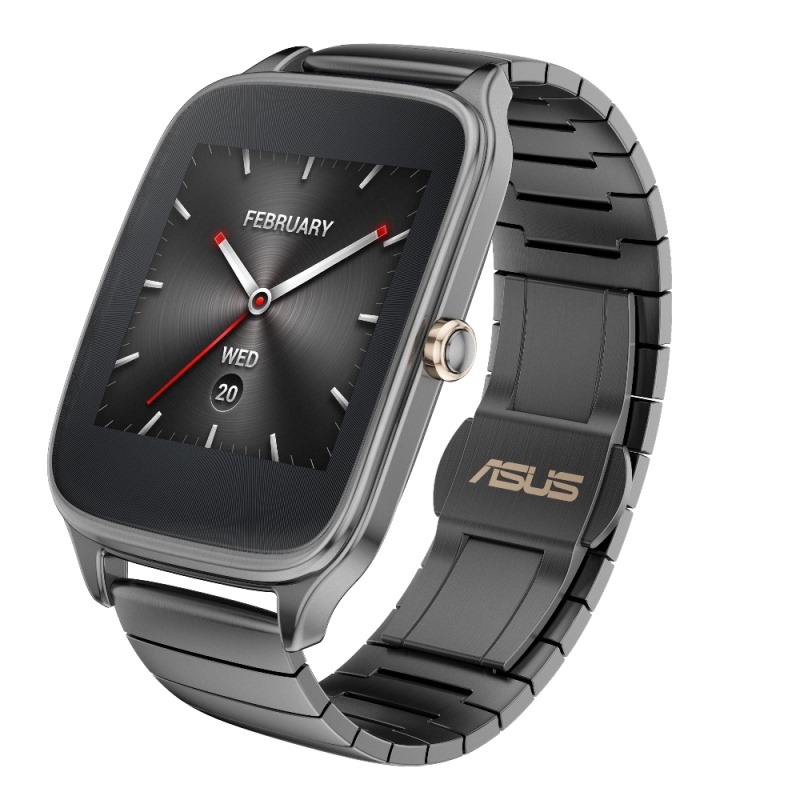
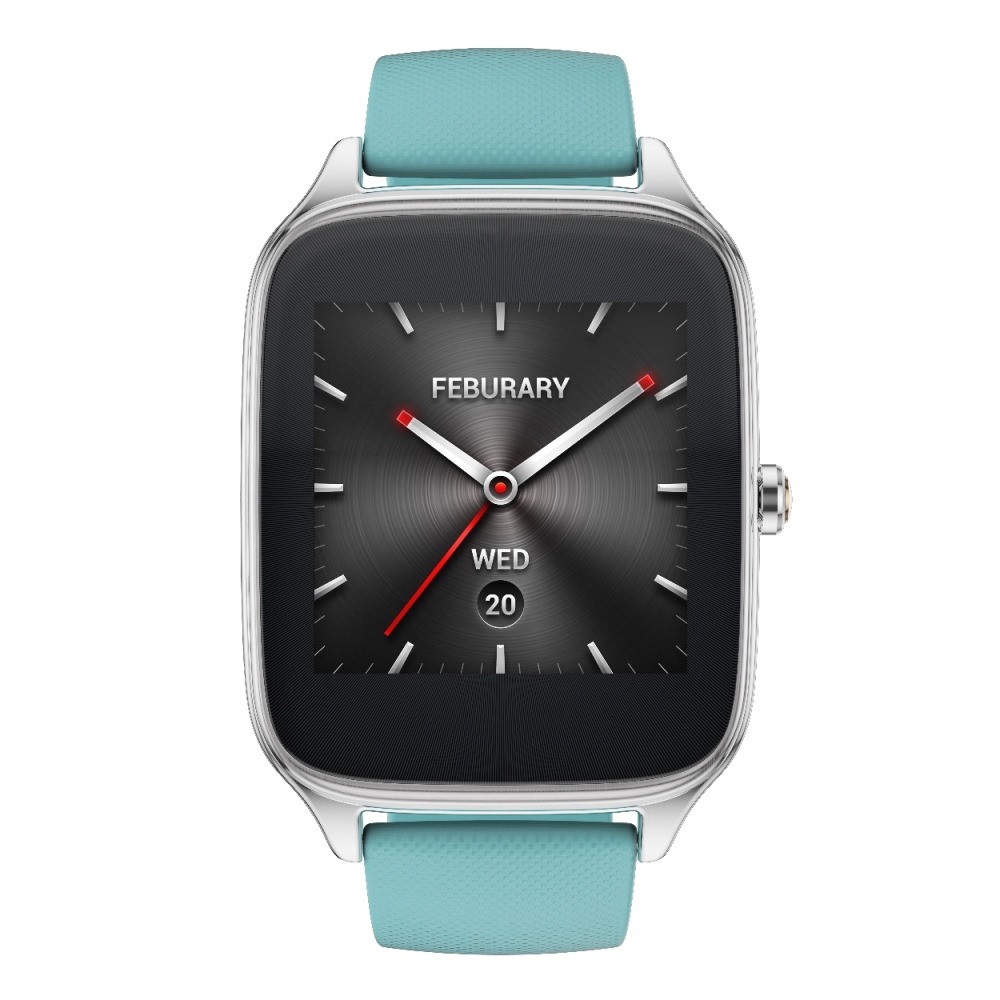
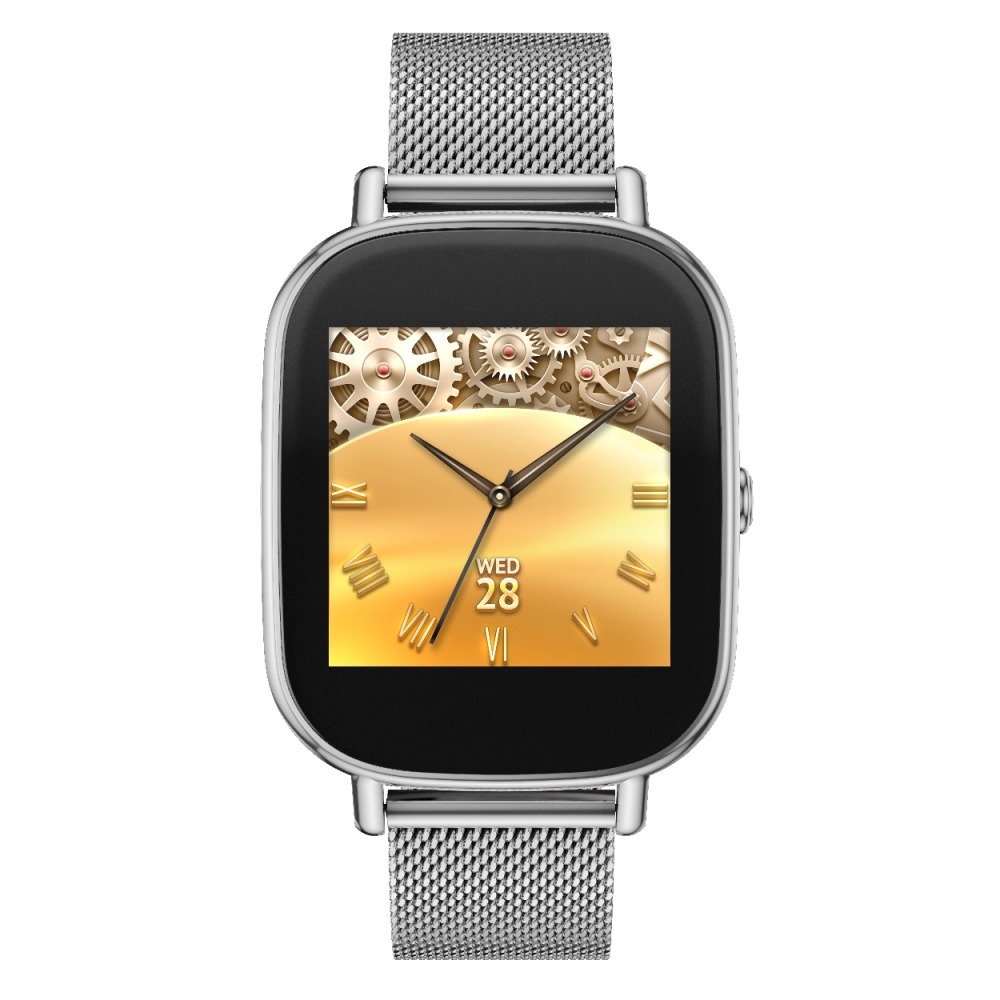
Let's get to the headliner: the big news with the ZenWatch 2 is that it now comes in two sizes - 37mm and 41mm (width). The smaller 37mm sports an 18mm strap, with the 41mm having a larger 22mm band. Both have AMOLED dipslays with Gorilla Glass 3, IP67 dust and water resistance, magnetic charging cables, and use unspecified Qualcomm processors (likely still a Snapdragon 400). The ZenWatch 2 has a crown now, too, which ASUS says adds functionality, but isn't exactly specifying how just yet. It's also not clear if the smaller ZenWatch 2 has a smaller screen, or if the case is simply shrunk down a bit.

There will be a variety of first-party straps to choose from, with rubber ones in blue, orange, red, and taupe, leather in khaki, brown, gray, blue, and orange, and a stainless steel band in silver, gunmetal, and rose gold. There will also be a Swarovski Professional leather strap with embossed diamond pattern and, you guessed it, Swarovski crystals. I'm guessing availability of all these bands with vary a lot depending on where you live. The watches themselves will be offered in three finishes matching the stainless steel bands (silver, gray, rose gold).

The new magnetic charger allegedly offers drastically improved charge times and "effortlessly attaches" to the ZenWatch 2, not that we have any illustrations just yet. The remote camera app has been updated, too, and there's a new "next-gen" Wellness app to track your activity. Availability and pricing were not announced.

ZenFone Selfie

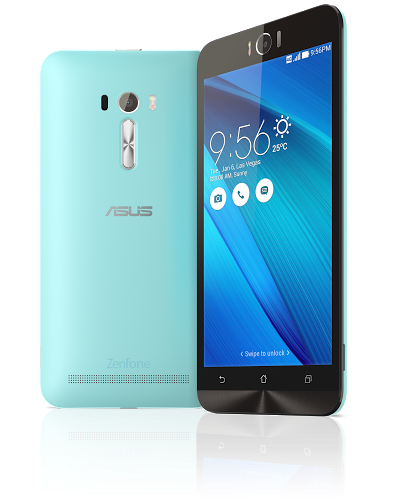
The next product on the block was ZenFone Selfie which, you guessed it, is basically a ZenFone 2 with a big fat front-facing camera for maximumselfitude. Aside from the camera, the major difference here seems to be the chipset, with ASUS having moved to the increasingly popular Snapdragon 615 octa-core chip on this device, as opposed to the Intel Atom in the ZenFone 2. The front-facing camera has an f/2.2 aperture and 88-degree field of view with 13MP of resolution.


The same 5.5" 1080p IPS display is on board, and the phone will come in seven colors (which, again: availability will vary by market). Release date and pricing were, again, unannounced.

ZenPads

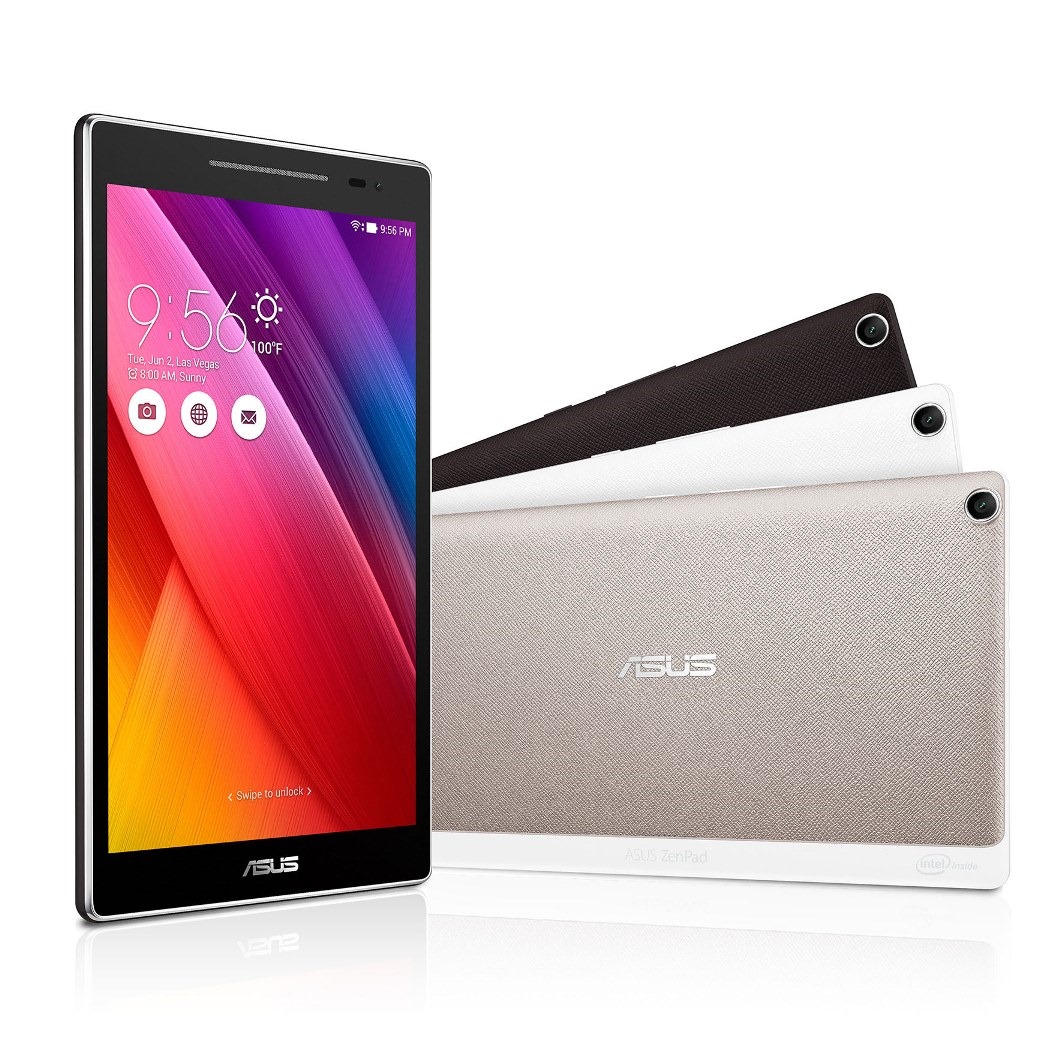
ZenPad S 8.0 rounded out ASUS' Android announcements at the event, and it actually seems pretty decent (even if the looks are... interesting). A quad-core 64-bit Intel Atom Z3580 (also found in the ZenFone 2) with 4GB of RAM, a 2K IPS display, and a rather impressive 6.6mm thinness. Other details include 16 and 32GB storage models, 5MP front and 8MP rear cameras, GPS, USB Type C connector (!), 15.2Wh battery, and a weight of 299g. Apart from a mention of a "Z Stylus," an accessory that will do stylus things, there was also a battery-boosting ZenCase and a predictably large color selection. A "normal" ZenPad 8.0 and ZenPad 7.0 were also announced, but technical details were scant. If you want to do some digging, the model numbers are: Z370C/CG/CL (7"), Z380C/KL (8" non-S), and Z580C/CA (8" S). Android 5.0 with ZenUI will be on all three. Oh, and there's also a 10.1" version that we have basically no details on other than it will have a detachable keyboard, presumably Transformer Book-style.


Models with and without LTE/mobile data connectivity are expected, and for the third time, still nothing on pricing or availability. The images above depict the standard ZenPad 8.0 (Z380C) on the left, and the ZenPad S 8.0 (Z580C) on the right.

Quite a set of announcements from ASUS this evening, or rather, this afternoon at Computex.

ASUS NEW ZENWATCH 2

Friday, May 29, 2015

New Google Photo App Launches Today, Includes Unlimited Free Storage Of High Quality Photos And Video

We already have already posted a pretty thorough preview of the features coming with the new Google Photos app, but that doesn't mean Google didn't save a couple of surprises for IO. The big bombshell is that, starting later today, users will be able to upload an unlimited number of photos and videos for free. If you weren't using Google as your primary source for photo archiving, this news may give you reason to reconsider.

Your pictures and videos won't be compressed into oblivion either, they will be stored at up to 16MP for images and 1080p for video. That's plenty big enough for most typical consumers and will still allow for high quality prints of photos.

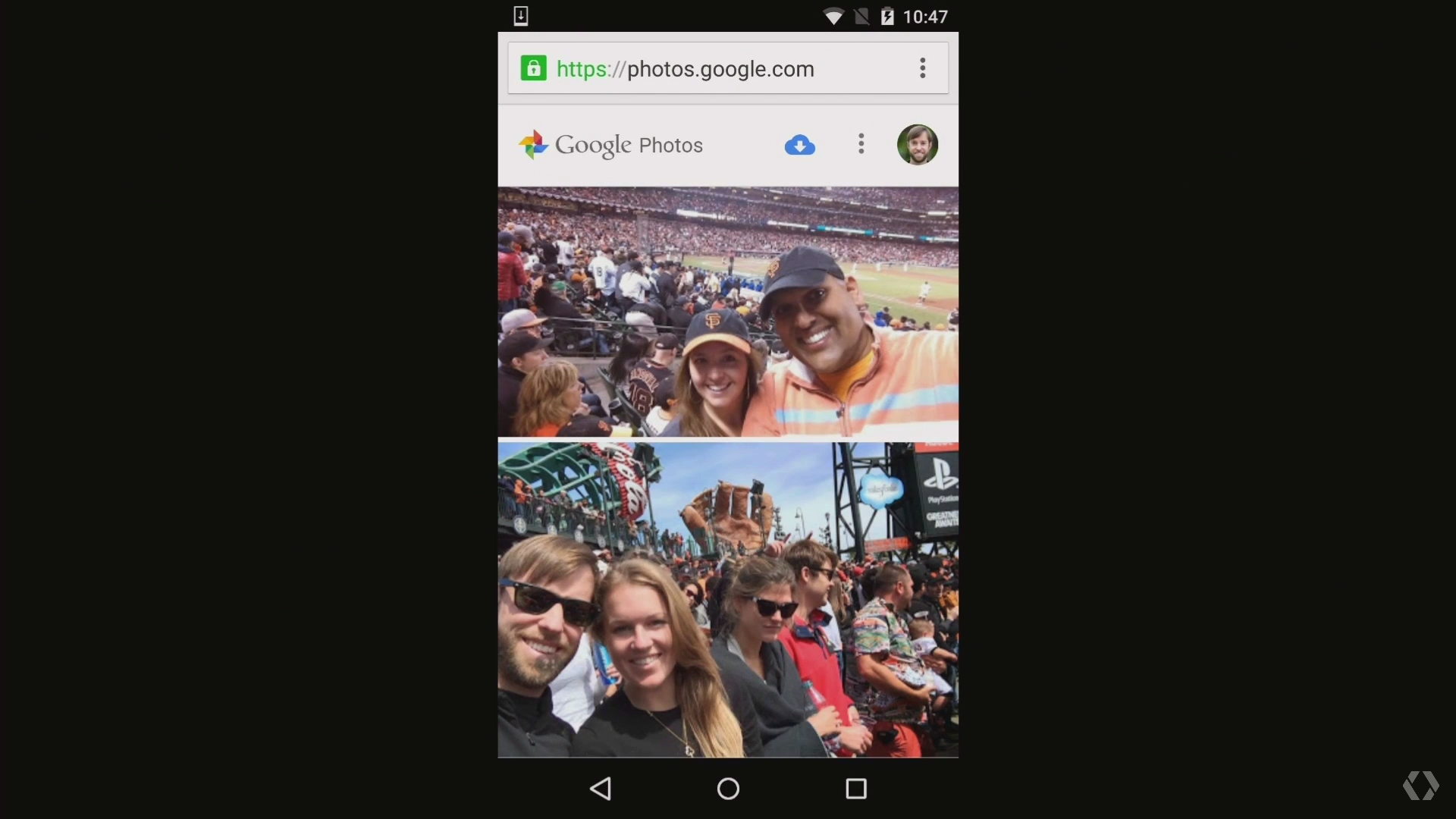
In addition to the unveiling of Google's generous new gift of unlimited photo storage, another cool feature was also announced. With the new Photos app, it will now be possible to send a group of photos by simply hitting the new "get a link" button. This will create a custom link to a web gallery of the photos you have selected. That link can be sent to anyone and opened in any web browser without having to log in or download an app.

If the recipient is logged in they will have an additional option besides just being able to view the photos. They can touch the cloud icon at the top of the image gallery and instantly import all the high quality shared photos and videos into their own library. This new feature, paired with unlimited storage, could make Google Photos one of the most compelling photo sharing and archive services on the web.

The new Google Photos will be available later today on Android, iOS and across the web.

New Google Photo App Launches

At its 2015 I/O keynote, Google focused mostly on optimizing Android — but that's actually a pretty big project. A lot of the updates involved reducing friction: there were updates to Android designed to make moving between apps and the web smoother, updates to Android Wear designed to make it easier to glean information from watch faces at a glance, and a new photo app that will organize all your pictures and back them up for free.

There are also some new, potentially interesting features for the existing apps. Google Now will start to anticipate your needs wherever you are on your phone. If you’re in a region with poor connectivity, Chrome and Maps will be capable of more, including giving directions while offline. As for hardware, there’s a new Google Cardboard — and an educational field trip initiative — and a VR camera system that will be sold by GoPro, but the plans for which will be made available this summer for anyone to make their own.

Android M

Android M looks a lot like its predecessor Lollipop. It’s more like a reorganization of Android, with power optimization, new services, and changes to how your apps interact. If you’re a developer, you can check out the preview today. Otherwise, you’ll be getting it later this year.

App permissions get less intimidating

Android has traditionally given you a wall of permission requests — accessing your location, using your microphone — whenever you install a new app. That’s all supposed to be changing with Android M. There are fewer update categories, and you’ll no longer be asked to look at them on installation. Instead, Google will ask you to approve individual permissions when the developer calls them up. You can also look up everything that the app is accessing, or which ones are using, say, your calendar or camera.

Chrome in all your apps

Right now, when you click on a web link from within an app, you either have to load the browser or use a stripped-down web view in the app. Google announced something called Chrome Custom Tabs, which looks like an in-app Chrome browser and is supposed to make loading pages faster by preloading certain elements, including passwords and autofill. Google also announced measures to make it easier for apps to link to other apps, for example, loading the Twitter app automatically when you click on a link to a tweet.

Better battery life and USB-C

In an effort to save battery life, Google introduced a new feature called Doze. Android M uses motion detection to go into deeper sleep if inactive for longer periods of time. Google said it trades "app freshness" for battery life. While dozing, devices can still respond to high-priority messages and use alarms. In a test against a Nexus 9 running Lollipop, Google, said the M Nexus lasted up to two times longer in standby. USB Type-C will also be supported on Android.

Google Now on Tap

Google Now is getting smarter, and it’s going to be incorporated throughout the phone, through a program called Now on Tap. With Now on Tap, you can hold the home button and bring up Now cards with relevant information, whether you’re in an app, email, or web browser. For example, if someone emails you about going to a movie, summoning Now displays information about whatever was mentioned, with links to YouTube trailers, ratings, and other info. If you’re messaging about laundry and dinner, it can prompt you to set up a to-do item, and give you restaurant listings, along with buttons for Yelp, Maps, and OpenTable. It’s a big expansion for Now, and Google emphasized improvements in contextual understanding. In the demo, asking "What is his real name?" while listening to Skrillex in Spotify brought up the answer without needing to specify "Skrillex."

A new Google Photos app with free online storage

Google already has a photo tool for your Android phone, but Google Photos is a revamped appthat will back up an unlimited number of photos and videos for free (photos up to 16MP, video up to 1080p), organize them as a timeline, and group them together by locations, things like "beaches" or "boats," and people — using what purports to be some pretty advanced auto-tagging. And there are new interface tools for sharing your photos or making collages and movies out of them. Yes, it’s competing with some similar iOS tools, but it could stack up pretty well; it’s available starting today for Android, iOS, and web.

Offline Maps and Chrome for developing countries

Google announced a bunch of updates designed to make its products work better in parts of the world with poor connectivity. A new streamlined search results page will load faster with a spotty connection and optimize pages to load fewer images. Google already lets people save YouTube videos offline in some countries, but now, Chrome will also be able to save pages for offline use, and Google Maps will be able to run a bunch of features offline. In an onstage demo, it could autocomplete searches, show reviews and information, and give turn-by-turn directions offline.

Android everywhere

There's more to Android than phones, obviously. If Google has anything to say about it, it'll be on your wrist, in your house, and in your wallet... sort of.

Some more polishing for Android Wear

Google added some powerful new apps to its Android Wear smartwatch OS, including an easy option for calling Uber cars. It also reiterated some of the ways it's smoothed out the platform. The screen in Android Wear is always-on, Google noted several times, and now apps will be always-on as well, displaying information in a low-power black-and-white mode. If you’re navigating with Google Maps, for instance, directions will stay on the screen, making them glanceable as you move. There’s also a new app launcher designed to make loading apps faster and easier. There are a bunch of other small updates as well, including the ability to recognize drawings and turn them into emoji.

Google wants to manage your smart home

Project Brillo is an operating system built on the "lower layers of Android," Weave is a communications system that will let smart devices talk to each other, and Google hopes you’ll install both of them on your door locks, light bulbs, and thermostat. There’s built-in support for Wi-Fi and Bluetooth, and Google will have a certification platform for Weave, which companies can use with or without Brillo. A lot of people have tried to create a standard for home automation, including Google — it announced Android@Home back in 2011 — but Google will officially be throwing its hat in the ring again by the end of this year.

Android Pay gets closer

We’re getting some more details about Android Pay — which is both Google’s answer to Apple Pay and a second chance for the largely failed Google Wallet service. Android Pay will let you make purchases in apps or tap an NFC sensor to pay for physical goods. Android Pay will work with phones running KitKat and higher, and it’s supposedly being pre-installed by AT&T, Verizon, and T-Mobile; Google promises 700,000 stores will accept it, including Chipotle and Dunkin Donuts. And if your phone has a fingerprint sensor, you can use it to authenticate payment.

HBO Now is coming to Android

We thought we might hear more about TVs from Google this year than we did, but though there wasn’t much news about the Chromecast or Android TV, we did get one new development. HBO Now, the streaming-only service for watching everything from Game of Thrones toTrue Detective, is coming to Android. There’s no firm release date, but this marks the end of Apple’s exclusive access.

Virtual reality

Yes, this gets its own section now. It might still be a fledgling field, but Google put some decent effort into promoting VR during the keynote.

New, iPhone-compatible Google Cardboard

Phones have gotten a lot bigger in the year since Google Cardboard launched, so Google is releasing a new version which can fit phones as large as six inches. The new unit, which goes on sale from partners today, is ditching the headset’s original magnet clicker for a cardboard button that will work with any phone. Google is now making its SDK available for iOS as well as Android, and a dedicated Cardboard app launched on Apple’s App Store today. In order to help kick-start VR use, it’s also announced Expeditions, a virtual reality education tool that lets students take VR field trips while teachers control their experience with a tablet.

A VR Camera rig for everyone

In an effort to make it easier for people to film VR-compatible video, Google partnered with GoPro to build a circular 16-camera rig. The geometry of the rig, called Jump, will be made available this summer for anyone to build their own. Once you’ve recorded something with these cameras, Google’s assembler will figure out depth data from the different images and stitch them together into a stereoscopic VR video. Google said the assembler takes "thousands of computers" and would be available this summer to a "select few" people.

What's next

There wasn’t much talk of Google's new Project Fi wireless carrier at the keynote, or of Android Auto, though the introduction mentioned that 35 car brands are participating. Instead, the focus was on improvements in Google’s machine learning, deployed in Google Photo and Now on Tap. Expanding connectivity was also a theme. Sundar Pichai concluded by saying that Google is about solving problems for everyone: "it's about putting technology to work on important problems that users face and do it at scale for everyone in the world." In the last few minutes, he touched on Google’s self-driving car, the latest version of which will soon begin driving around Mountain View, and balloon-based internet service Project Loon, which he says will expand connectivity to the next billion users.

Google I/O 2015 The 12 most important announcements

Thursday, May 28, 2015

New security feagturs in Android M

                                                       @Androidpolice

Remember App Ops? Back in Jelly Bean 4.3, the feature could be accessed by resourceful users to switch on or off permissions for individual apps. By KitKat 4.4.2, the feature was completely hidden from users. Google's explanation was that App Ops was never meant for public consumption - it was devised for internal debugging only. But users had gotten a taste of granular app permission controls and wanted more.

After some rumblings earlier this month, we've seen information suggesting that - with Android M - that wish may be fulfilled after all.

Disclaimer: No matter the confidence level, there's always a chance product updates, features, and some or all details will be changed or cancelled altogether. As with all rumors, nothing is 100% until it's officially announced.

We do not have possession of any APKs we can distribute or unreleased devices, so please don't ask for them.

Confidence level

We'll give this rumor a confidence rating of 9/10. This is a feature we know is coming, but the exactdetails of how it will look and behave aren't known to us just yet. The visuals we'll see in this post (which are mockups based on our information) represent our understanding of how the feature will work at the time of writing, but anything could have already changed, and - as with any rumor - things can still change even with I/O less than 24 hours away.

The rumor

From our information it seems that Google wants to decouple permission acceptance from app installs. No longer would users need to accept all an app's permissions en masse before installing said app.

Permission controls would ostensibly live in two places - first, in the app itself, where users will be asked for permission using a series of dialogs. Whether all these dialogs will have to be dealt with immediately before opening the app or if they'll be spread out over the course of use remains to be seen. Evidently, granular permission control will be on for every app automatically, with developers left to decide what the app should do if it is denied permission. This is a potentially worrisome scenario, since apps will need to be updated to degrade gracefully with less and less permissions, but we'll have to wait and see what happens.

The second home of permissions controls will be in the device's Settings app. It appears users will have access to a very familiar-looking interface with a list of permissions and toggles to switch on or off permissions as they see fit.

Mockups based on our information

Conclusion

For users, individual permission controls will be a boon. This sort of control is an expectation for iOS users, and many Android users have been looking for similar functionality since before App Ops first hit the scene.

How this will impact developers remains to be seen, but with a dev preview of M expected this year, there will hopefully be enough time for developers to tie up any loose ends before Macadamia Nut Cookie hits a wide release.

Android M To Introduce Granular Permission Control

Tuesday, May 26, 2015

Galaxy S6 edge Iron Man Limited Edition officially launched

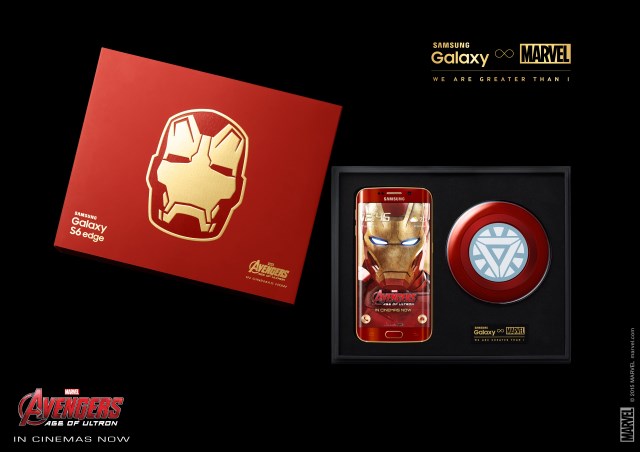
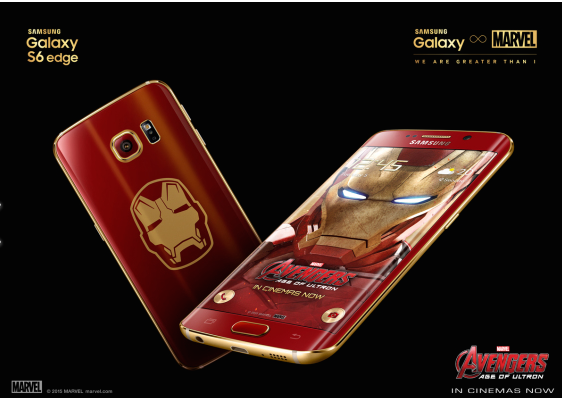
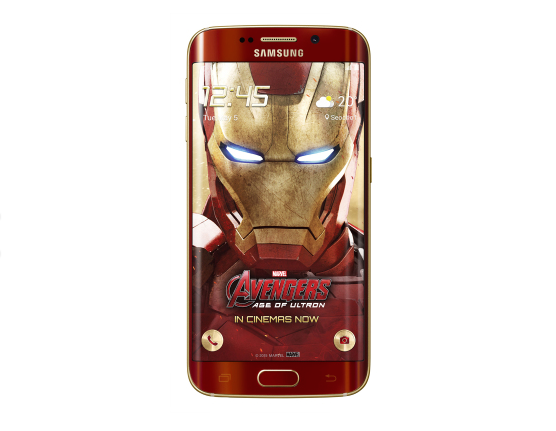
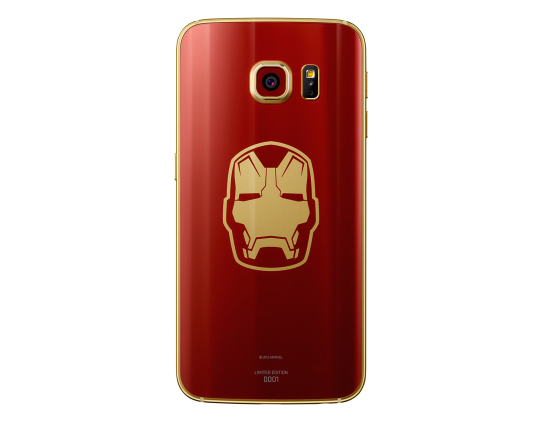
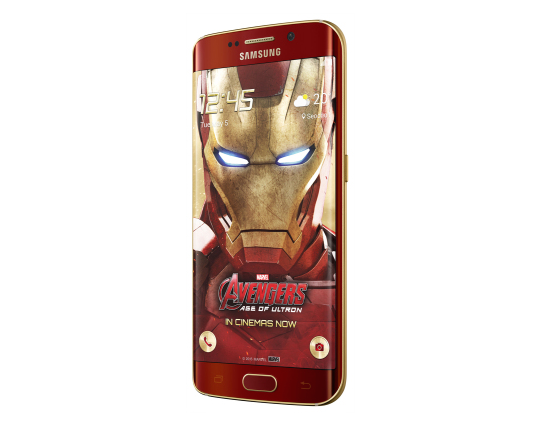
A couple of weeks back Samsung confirmed that it will be launching an Iron Man edition of the Galaxy S6 edge, the upcoming variant was teased a couple of times and now it’s finally here. Samsung today officially announced the Galaxy S6 edge Iron Man Limited Edition and as the name suggests, it will only be available in select markets and that too in limited quantity.

Samsung has teamed up with Marvel to create this limited edition variant of theGalaxy S6 edge, it’s meant as a “celebration of the technological innovation and creative visual storytelling in Marvel’s Avengers: Age of Ultron” Everything else about the handset remains the same, customers will get a special box with the iconic Iron Man mask plastered on top and in it a vibrant red and gold Iron Man-themed Galaxy S6 edge with 64GB of storage. Inside the box there’s also a matching wireless charger that looks like the Arc Reactor found in Tony Stark’s chest, and a clear cover.

The Galaxy S6 edge Iron Man Limited Edition will first be released in Korea tomorrow with Hong Kong and China getting it this June. Samsung has not yet said if this variant will be released in other markets as well, particularly in Europe and North America.

Official launching of Iron man edition of Galaxy S6

The Breathing Trick That Puts You to Sleep in Seconds

@Yahoo Health

Nothing is worse than lying awake at night, willing your brain to shut down so you can rest. Warm milk, lavender oil, and counting sheep — we’ve all tried them. But the new solution could be simply learning to breathe.
What is it?
The 4-7-8 breathing technique was pioneered Dr. Andrew Weill from Arizona, who describes the yoga-inspired method as “utterly simple, takes almost no time, requires no equipment and can be done anywhere.”
Dr.Weill claims that 4-7-8 breathing can help people fall asleep in just 60 seconds by acting as a “natural tranquiliser for the nervous system” that reduces stress and tension in the body.

How do you do it?

1. Before you begin, place the tip of your tongue on the roof of your mouth just above your teeth and keep it there throughout the exercise.
2. Exhale completely through your mouth quite forcefully so you make a “whoosh” sound.
3. Close your mouth and inhale quietly and softly through your nose for a mental count of four.
4. Hold your breath and count to seven.
5. Next, exhale completely through your mouth, making another whoosh sound for eight seconds in one large breath.
6. Now inhale again and repeat the cycle three times for a total of four breaths.
Remember: All inhaling breaths must be quiet and through your nose and all exhaling breaths must be loud and through your mouth.

How does it help?

  • It takes on more oxygen relaxes the parasympathetic nervous system and promotes a state of calmness.
  • It helps rebalance the nervous system which can become over stimulated during times of stress.
  • It helps you connect with your body and your breathing and distract you from everyday thoughts that can prevent you from sleeping.

How To Sleep In Seconds?

HTC One M9 Camera Fails In Tests: It's Worse Than A Three-Year-Old iPhone 4S

HTC has a problem, and it’s a problem it has had for some time now – failing sales. Even with Cher Wang replacing Peter Chou as leader of the company she founded, the firm has yet to find its feet. One of its biggest problems is that despite very competent hardware design, its phones are let down by a distinct lack of excitement. Its next biggest problem is the fussy UI design that comes from its Sense user interface. While the One M9 was an improvement over the M8, the difference was very slight but the new phone costs considerably more.
But HTC’s problems have worsened again with imaging experts DxOMark declaring its camera worse than the iPhone 4S and Samsung Galaxy S3 phones which are three and two-years-old respectively. That has to be seen as a problem for HTC, but first let’s take a look at some background to see how it ended up here.
HTC’s One M9 replaces the dual-camera of the M8, but with little quality increase
The big difference between the M8 and M9 was the camera, which HTC swapped from the dual sensor in the M8 to a higher megapixel version in the M9. HTC touted the dual-camera sensor as a huge advancement in cameraphones, but the truth was quite different. The 4-megapixel cameras just couldn’t keep pace with the sensors in every other camera.
And perhaps worse still, the advantages of the dual sensor were supposed to be that you could re-focus the shots after taking them, but this was so easily duplicated with a software solution that pretty much every phone with one sensor was able to do much the same process in software. And it was this that eventually led HTC to abandon the sensor and move to a 20-megapixel model. That sensor puts it close to phones like Sony’s Z3 20.7-megapixel model, and way in advance of other camera sensors, which tend to come in at around 16-megapixels. But, HTC also forgot one other thing that most other companies have included – stabilization. This is crucial in small, light phones which are easily moved and it plays a huge part in boosting the quality of images taken in poor light, allowing the phone to slow the shutter to allow in more light, while keeping the image free of shake and blur.
At 20-megapixels, this is one of the highest-specified cameras on a phone, but the results just don’t meet expectations
In their findings, the team at DxOMark said that in good light, everything was great – with good colour, detail and with the autofocus performing well. Sadly, in lower light conditions that all changes and everything becomes disappointing with them noting that colours are oversaturated and that there’s a loss of sharpness. They then give the HTC One M9 a camera score of 69.
In contrast, they rate the Samsung Galaxy S6 Edge as having the best camera, scoring 86 while the Note 4 grabs second place with 83.The iPhone 6 and 6 Plus assume the third and fourth positions with 82 points. The M9 scores the same as Amazon’s Fire Phone, but is still beaten by phones like the Note 2, Galaxy S3 and LG’s G2.
Worst of all though, HTC only just manages to beat the result of the M8, which scored 68 when tested. That’s a massive problem for a phone costing nearly twice as much money, and with scant other features to sell itself on.
With the announcement that HTC is partnering with Valve for that company’s VR offering, called Vive, perhaps the company is looking for an exit from mobiles. It isn’t a diverse company in terms of investments, so it needs to do something to shore-up disappointing sales. Unsurprisingly though, the HTC Re camera was pretty much universally panned for below-average image quality, so the firm doesn’t have a great track-record outside of phones.
Whatever HTC’s longterm chances of survival are, the message from DxOMark is simple: don’t buy an HTC One M9 for the camera.

HTC One M9 Camera Fails In Tests

HTC One M9 Camera Fails In Tests: It's Worse Than A Three-Year-Old iPhone 4S

HTC has a problem, and it’s a problem it has had for some time now – failing sales. Even with Cher Wang replacing Peter Chou as leader of the company she founded, the firm has yet to find its feet. One of its biggest problems is that despite very competent hardware design, its phones are let down by a distinct lack of excitement. Its next biggest problem is the fussy UI design that comes from its Sense user interface. While the One M9 was an improvement over the M8, the difference was very slight but the new phone costs considerably more.

But HTC’s problems have worsened again with imaging experts DxOMark declaring its camera worse than the iPhone 4S and Samsung Galaxy S3 phones which are three and two-years-old respectively. That has to be seen as a problem for HTC, but first let’s take a look at some background to see how it ended up here.

HTC’s One M9 replaces the dual-camera of the M8, but with little quality increase

The big difference between the M8 and M9 was the camera, which HTC swapped from the dual sensor in the M8 to a higher megapixel version in the M9. HTC touted the dual-camera sensor as a huge advancement in cameraphones, but the truth was quite different. The 4-megapixel cameras just couldn’t keep pace with the sensors in every other camera.

And perhaps worse still, the advantages of the dual sensor were supposed to be that you could re-focus the shots after taking them, but this was so easily duplicated with a software solution that pretty much every phone with one sensor was able to do much the same process in software. And it was this that eventually led HTC to abandon the sensor and move to a 20-megapixel model. That sensor puts it close to phones like Sony’s Z3 20.7-megapixel model, and way in advance of other camera sensors, which tend to come in at around 16-megapixels. But, HTC also forgot one other thing that most other companies have included – stabilization. This is crucial in small, light phones which are easily moved and it plays a huge part in boosting the quality of images taken in poor light, allowing the phone to slow the shutter to allow in more light, while keeping the image free of shake and blur.

At 20-megapixels, this is one of the highest-specified cameras on a phone, but the results just don’t meet expectations

In their findings, the team at DxOMark said that in good light, everything was great – with good colour, detail and with the autofocus performing well. Sadly, in lower light conditions that all changes and everything becomes disappointing with them noting that colours are oversaturated and that there’s a loss of sharpness. They then give the HTC One M9 a camera score of 69.

In contrast, they rate the Samsung Galaxy S6 Edge as having the best camera, scoring 86 while the Note 4 grabs second place with 83.The iPhone 6 and 6 Plus assume the third and fourth positions with 82 points. The M9 scores the same as Amazon’s Fire Phone, but is still beaten by phones like the Note 2, Galaxy S3 and LG’s G2.

Worst of all though, HTC only just manages to beat the result of the M8, which scored 68 when tested. That’s a massive problem for a phone costing nearly twice as much money, and with scant other features to sell itself on.

With the announcement that HTC is partnering with Valve for that company’s VR offering, called Vive, perhaps the company is looking for an exit from mobiles. It isn’t a diverse company in terms of investments, so it needs to do something to shore-up disappointing sales. Unsurprisingly though, the HTC Re camera was pretty much universally panned for below-average image quality, so the firm doesn’t have a great track-record outside of phones.

Whatever HTC’s longterm chances of survival are, the message from DxOMark is simple: don’t buy an HTC One M9 for the camera.

HTC One M9 Camera Fails In Tests

Bionic lens promises SUPERHUMAN sight three times better than 20/20


The Ocumetics Bionic Lens was created by Canadian Dr Garth WebbSurgery to implant the lens into the patient's eye takes eight minutesIt is folded into a syringe in a saline solution and placed in an eyeOnce it has unravelled - within about 10 seconds - the vision is corrected
From glasses to standard lenses and even lasers, there are many ways people can restore or correct their vision. 
But the latest so-called 'bionic' lens promises to not only restore sight, it claims it can boost it to three times better than 20/20. 
And surgery to insert the lens takes just eight minutes, with sight being restored in seconds. 
The Ocumetic Bionic Lens (pictured) was created by Dr Garth Webb. He claims surgery to implant the lens is as 'painless and gentle' as cataract surgery and restores sight within 10 seconds. Although he hasn't revealed the intricacies of the technology, he did say it created vision three times better than 20/20
The Ocumetic Bionic Lens was created by Dr Garth Webb. 
He explained that surgery to implant the lens into the patient's eye takes eight minutes and involves folding the lens into a syringe in a saline solution and placing it in the eye. 
Once it has unravelled - within about 10 seconds - the vision is corrected and Dr Webb claims it is 'three times better than 20/20'. 
And he continued it was 'as painless and gentle' as cataract surgery.  
Visual acuity - or the ability to see fine spatial details - is typically measured with a Snellen chart used by optometrists globally.

THE OCUMETIC BIONIC LENS 

The Ocumetic Bionic Lens was created by Dr Garth Webb. 
He explained that surgery to implant the lens into the patient's eye takes eight minutes and involves folding the lens into a syringe in a saline solution and placing it in the eye. 
Once it has unravelled - within about 10 seconds - the vision is corrected and Dr Webb claims it is 'three times better than 20/20'. 
In theory, this means Dr Webb's lenses could create 20/0 vision, at which point the wearer could see letters when stood at 20ft that a normal person could see with the letters directly in front of their eyes - although Dr Webb has not categorised it in this way. 
Elsewhere it is made of 'inert biocompatible polymeric materials; that do not cause biophysical changes within the eye. 
Dr Webb has not revealed the intricacies of the technology behind the lens and MailOnline has contacted him for more information.
The chart displays letters that get progressively smaller in size. 
The benchmark, and vision that is considered healthy and 'normal', is classified as 20/20. 
This means a person can see the same line of letters when stood at a distance of 20ft compared with what a 'normal' person sees at the same distance. 
A basis for 'normal' was determined using a large database of test results. 
By comparison, 20/40 vision means the test subject sees at 20ft what a 'normal' person sees at 40ft. 
Legal blindness is categorised as 20/200. On the opposite scale, 20/15 offers enhanced vision.  
In theory, Dr Webb's lenses could create 20/0 vision, at which point the wearer could see letters when stood at 20ft that a normal person could see with the letters directly in front of their eyes - although Dr Webb has not categorised it in this way. 
Elsewhere the lens is made of 'inert biocompatible polymeric materials that do not cause biophysical changes within the eye.
Dr Webb has not revealed the intricacies of the technology behind the lens and MailOnline has contacted him for more information.
In July 2013 researchers from San Diego and Switzerland fitted a traditional contact lens with a magnifying ring which, when worn with a pair of Samsung 3D glasses, could magnify scenes by 2.8 times.

Surgery to implant the lens into the patient's eye takes eight minutes and involves folding the lens into a syringe in a saline solution (picutred) and placing it in the eye. Once it has unravelled - within about 10 seconds - the vision is corrected
The vision created by Dr Webb's lenses has been dubbed 'super sight' because its more powerful than the average person's sight. Superhuman vision is common in science fiction films and comics such as Superman (Henry Cavil in Man of Steel is pictured)
The lens-glasses combination was designed to help restore the sight of people suffering from age-related macular degeneration, or blindness.
The 8mm contact lenses were fitted with a 1.17mm magnifying ring around the edge and small aluminium mirrors were fitted into this magnifying ring.
These mirrors bounced the light from objects in front of the wearer approximately four times around this ring before sending the image to the retina.
By the time this image hit the retina it appeared magnified by almost three times.
When the lenses are being worn in 'ordinary mode' this magnified image is blocked by polarising filters fitted to a pair of modified Samsung 3D glasses. 
Researchers recently developed lenses that give the wearer telescopic vision, designed to restore sight in blind people. The front and back of the lens are shown at (a) and (b). Picture (c) shows the lens on an optomechanical eye. The lenses are worn with 3D glasses and can magnify images when unblocked (e)
Elsewhere, iOptik announced at last year's CES that it had developed contact lenses that allow the wearer to see high-definition virtual screens (pictured). In particular, the system lets them see projected digital information, such as driving directions and video calls 
To switch to 'telescopic mode', the wearer can change these filters so that the only light that hits their retina is the light created by the magnified process.
Elsewhere, iOptik announced at last year's CES it had developed contact lenses that allow the wearer to see high-definition virtual screens. 
In particular, the system lets them see projected digital information, such as driving directions and video calls.
The tiny 'screens', which are the invention of Washington-based group Innovega, sit directly on a users' eyeballs and work with a pair of lightweight glasses.
Google is also working on 'smart lenses' that contain a control circuit, an image capture component and an image sensor.
The system can be wirelessly linked to a mobile phone for data access and to issue commands via audio, although it is unclear if the lens would be powered wirelessly or have a wired link to a battery. 

Bionic lens promises SUPERHUMAN sight three times better than 20/20

Monday, May 25, 2015

Highly Contagious, Antibiotic-Resistant Food Poisoning Establishes U.S. Presence

The kinds of bacteria that can cause food poisoning lurk all around us. These germs can be especially easy to pick up when traveling internationally as well as in places, such as children's day cares, which are hard to keep clean. The infections usually clear up on their own but sometimes require hospitalizations and hefty doses of antibiotics to expunge. Unfortunately, the bacteria are becoming increasingly resistant to treatment.

The latest bad news came in April when the U.S. Centers for Disease Control and Prevention reported an outbreak of Shigella sonnei that has become resistant tociprofloxacin—one of the last remaining medications in pill form that can kill the germ. Since then a Scientific American investigation shows the worrisome strain is still circulating in the U.S. a year after it first emerged.

Shigella bacteria typically cause about 500,000 diarrheal illnesses and 40 deaths in the U.S. every year. Children who are malnourished and people with compromised immune systems are particularly at risk of developing severe cases. Symptoms include diarrhea that is sometimes bloody, fever and abdominal pain, and typically last about a week.

The bacteria occur naturally in the U.S. but, heretofore, people typically caught ciprofloxacin-resistant strains while traveling internationally. In the current outbreak, however, many people who became sick had not recently been out of the country, which proves that the multidrug-resistant bug has now established a firm domestic presence.

The CDC has confirmed 275 cases of ciprofloxacin-resistant shigella across the country from May 2014 to May 2015, according to data obtained exclusively by Scientific American (see chart below). Although these figures appear small, they almost certainly represent but a tiny fraction of the true number of ciprofloxacin-resistant cases. Shigella infections are supposed to be reported to the CDC but a lot of people who get sick do not go to the doctor. And those who do are sometimes not tested for the presence of shigella, let alone drug resistance.

Vulnerable populations are some of the hardest hit in this outbreak, including cases linked to a day care center, homeless people in San Francisco and HIV-positive individuals in Philadelphia. As few as 10 shigella germs can cause an infection—making the bacteria virtually undetectable as it quickly spreads in contaminated food and water or from person to person.

Other drugs that the pathogen has overcome in the past include ampicillin, streptomycin and tetracycline. Anna Bowen, a medical officer in the CDC's Waterborne Diseases Prevention Branch and lead author of the April study, says the CDC has identified some cases in this outbreak that were resistant to all of the oral treatment options currently available. The next line of defense is a broader-spectrum, more expensive antibioticthat must be administered via injection or an intravenous line.

Whereas labs can test for ciprofloxacin resistance, there are currently no standardized tests to identify if a shigella infection is resistant to azithromycin, which is the go-to drug for children. (The U.S. Food and Drug Administration has approved ciprofloxacin only for adults.) "Almost no clinical labs are doing this sort of testing," Bowen says, "and so patients are being treated kind of blindly since the providers don't know if azithromycin is an appropriate choice or not."

Lag time in reporting is another issue. San Francisco, for example, is tracking nearly two times the number of cases that the CDC counts as confirmed for the city—228 cases versus 119. Cora Hoover, director of Communicable Disease Control and Prevention for the San Francisco Department of Public Health, says they have slightly different case definitions because as the city agency on the ground investigating this outbreak they want assurance all possible patients are identified; also it takes so long to confirm a case. Public health officials normally follow up with each patient, and lab tests can take weeks.

It can take around a month to confirm a case of shigellosis is both antibiotic-resistant and part of the same outbreak, though it varies. Generally, once a doctor identifies a shigella infection, he or she reports it to the city or state public health agency and sends a stool sample to the lab to confirm the diagnosis. The lab grows or "cultures" the bacteria and reports its findings back to the doctor and agency in about a week. The health agency then reports the case to the CDC, which tests a selection of cases for antibiotic resistance via the National Antimicrobial Resistance Monitoring System and its national laboratory network, PulseNet. Results from PulseNet's genetic testing of sample cases can be complete within a couple of weeks.

By the time the full picture of a single case is confirmed, the patient is usually better. Caroline Johnson, director of the Division of Disease Control at Public Health for the City of Philadelphia, says her division usually suspects that a case is part of an outbreak but does not know for sure until the full results are in.

Peter Gerner-Smidt, chief of the CDC's Enteric Diseases Laboratory Branch and PulseNet, says labs will gradually move away from having to culture bacteria to identify them. As genetic testing becomes cheaper and more accessible, state labs will eventually be able to get that information by determining the whole DNA sequence of each sample. This approach will hopefully reveal antibiotic-resistance more quickly, he says, but it will likely take years before these tests are widely used.

Because of the increasing threat of multidrug-resistant shigella, the CDC and other health agencies recommend doctors only prescribe antibiotics for severe cases. Shigellosis can actually clear up on its own with proper hydration and rest. Prevention is therefore the best weapon for controlling resistant shigella, Bowen says, particularly because the U.S. cannot regulate antibiotic overuse in other countries, but it still affects patients here.

"Problems with antibiotic resistance anywhere are problems with antibiotic resistance everywhere," she says. "There are no borders when it comes to antibiotic resistance, and we have all got to be vigilant."

The numbers in this chart do not fully represent the shigellosis burden in the U.S. because not all cases are reported. The weekly case totals in this graphic were calculated by subtracting the previous week's cumulative total from the current week's cumulative total as reported in the CDC's Morbidity and Mortality Weekly Report. These cumulative totals can fluctuate up or down based on new information.

Growing threat from multidrug-resistant shigella in the U.S.

 
Hi-Tech Talk © 2015 - Designed by Templateism.com